Gold Thread as Currency of Power
If embroidery had a capital, for a thousand years it was Constantinople. Byzantine and later Ottoman workshops turned silk and gold (aurum, or sırma) into objects of state and worship - vestments, imperial robes, and prayer furnishings whose shimmer signalled wealth, piety, and authority all at once.
Byzantine Splendor
Byzantine embroiderers rivaled even England's opus anglicanum. They worked figured silks and couched gold thread into church vestments and imperial garments, often depicting saints and emperors in minute detail. A pivotal moment came in the 6th century, when, according to tradition, silkworm eggs were smuggled out of China to Byzantium, breaking China's monopoly and seeding a Mediterranean silk industry that fed the needle for centuries.
Ottoman Court Ateliers
After 1453, Ottoman Istanbul inherited and amplified this legacy. The imperial ateliers (Ehl-i Hiref) employed hundreds of master embroiderers, producing çatma velvets, gold-thread kaftans, and exquisite prayer mats. The sultan's wardrobe was a treasury of stitched gold, and diplomatic gifts of embroidered cloth projected Ottoman prestige across three continents.
History: A Hub Between Worlds
Constantinople sat at the seam of Europe and Asia, and its embroidery shows it - Persian motifs, Chinese dragons filtered through silk trade, and Italian taste all met on the hoop. Venetian and Genoese merchants carried Byzantine and Ottoman cloth west, while the fall of Constantinople in 1453 pushed Greek and Italian artisans into the Renaissance, taking their goldwork techniques with them.
How the Needle Traveled (Liu Zhuan)
Byzantine goldwork directly shaped Italian embroidery in Lucca and Venice, which supplied Europe's churches and courts. Ottoman sırma technique spread through the Islamic world and into the Balkans. Surviving pieces - in cathedral treasuries, Topkapi Palace, and museum collections - became pattern books for later generations. The "Silk Road" of this article is less a road than a web, with Istanbul as its glittering knot.
Today
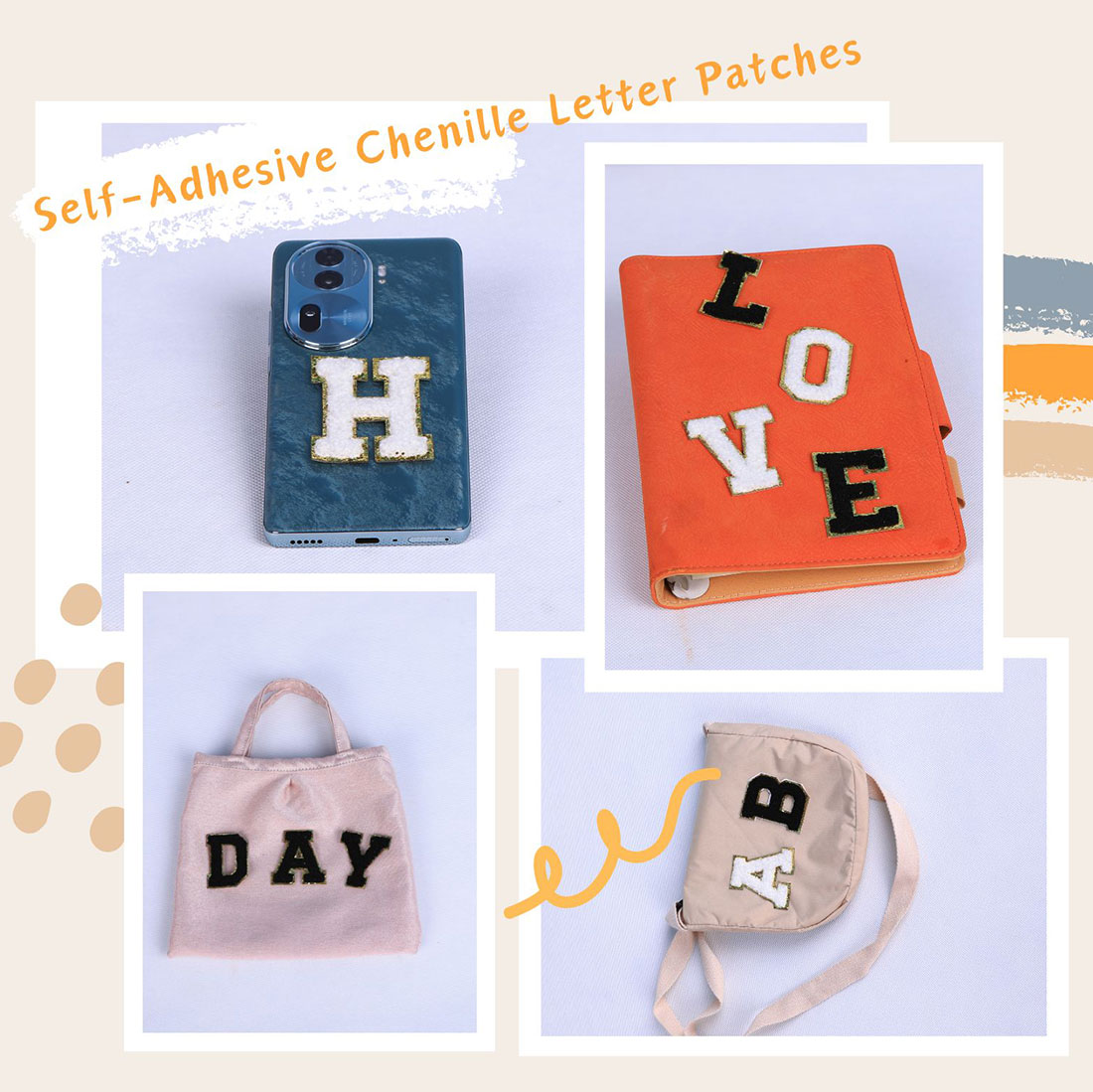
These court traditions survive in museum textiles and revived ateliers. Trace the overland routes that fed them in our Zardozi and the Silk Road guide, and keep exploring the World Embroidery Series. Wear your own emblem with chenille letter patches.