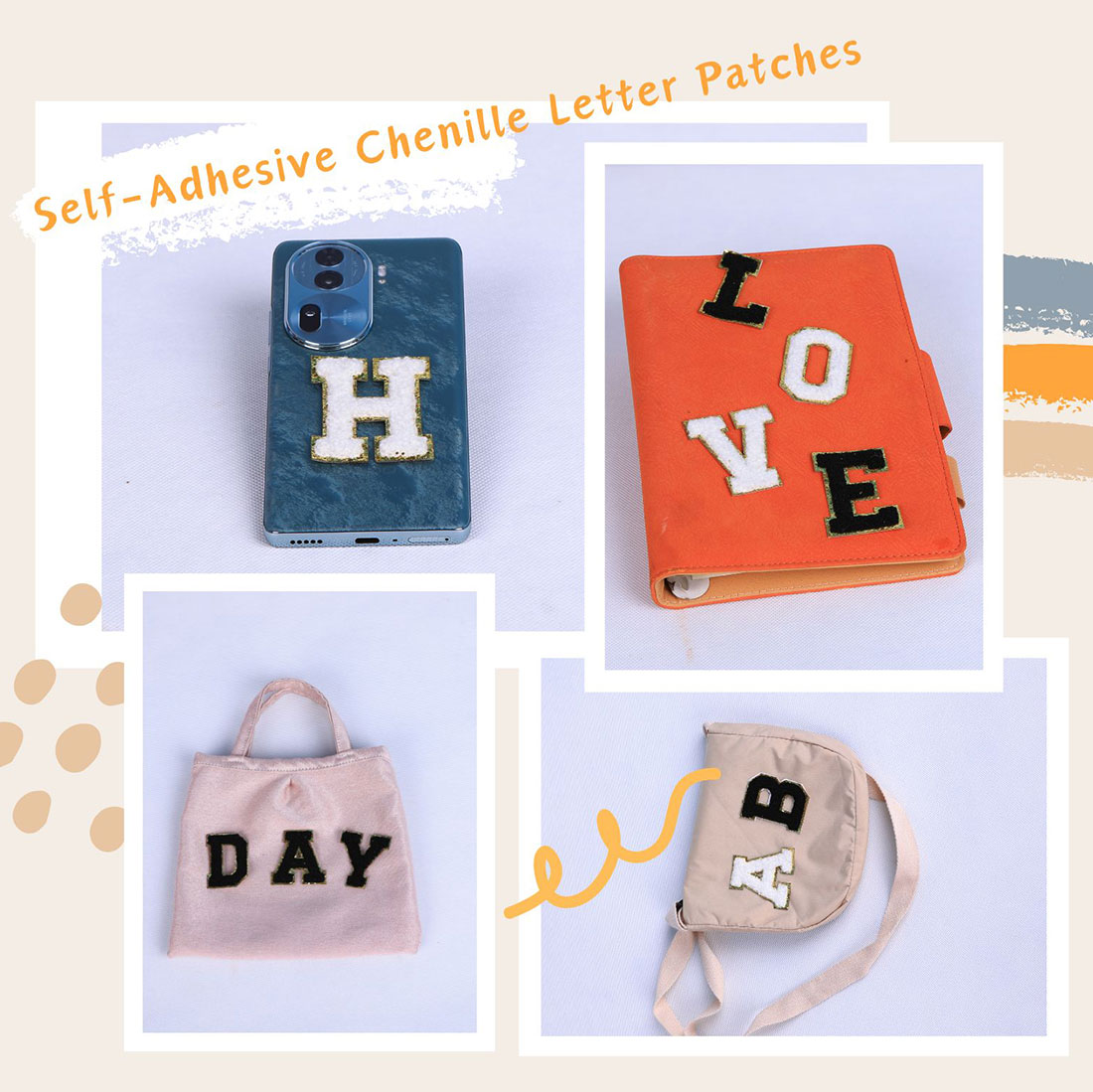
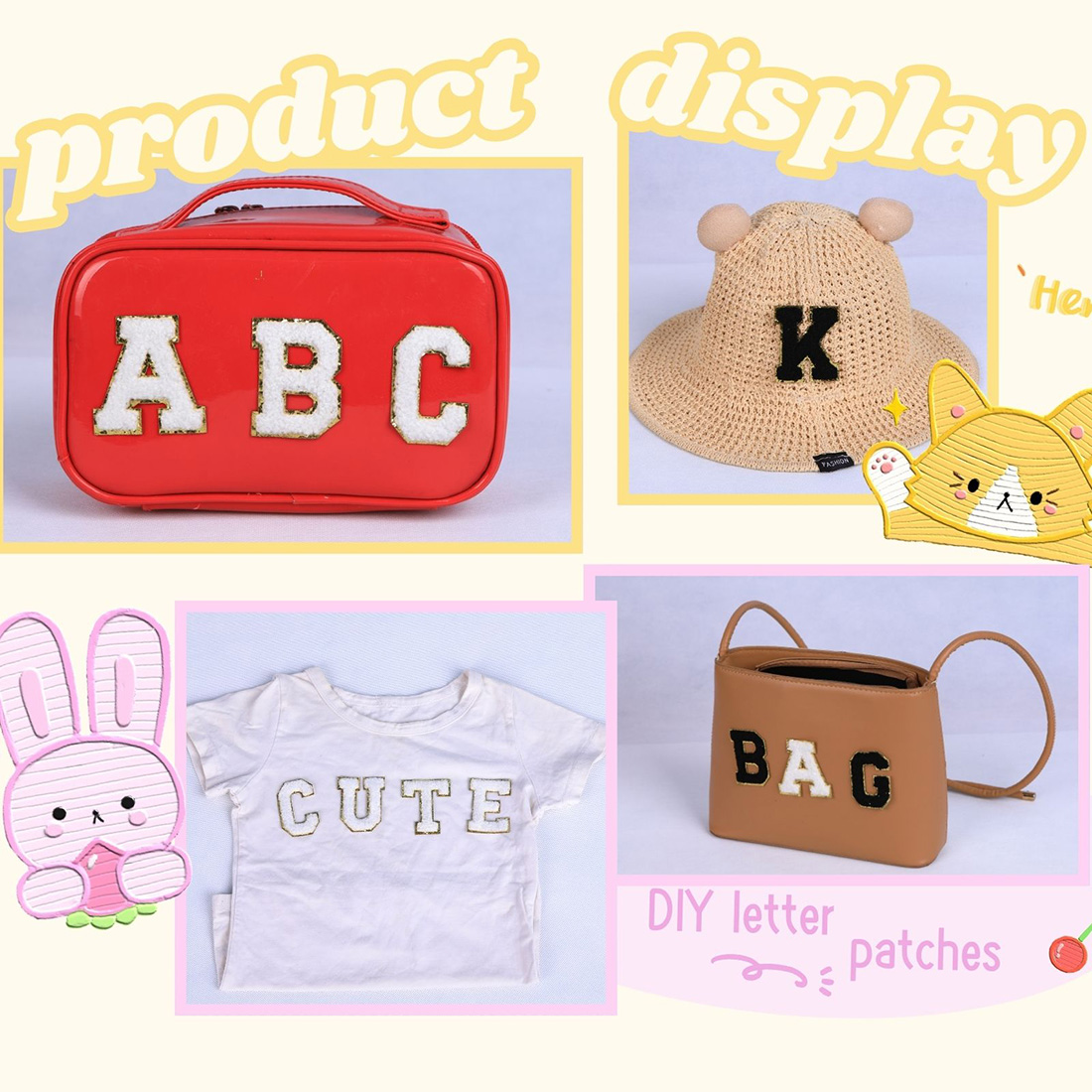
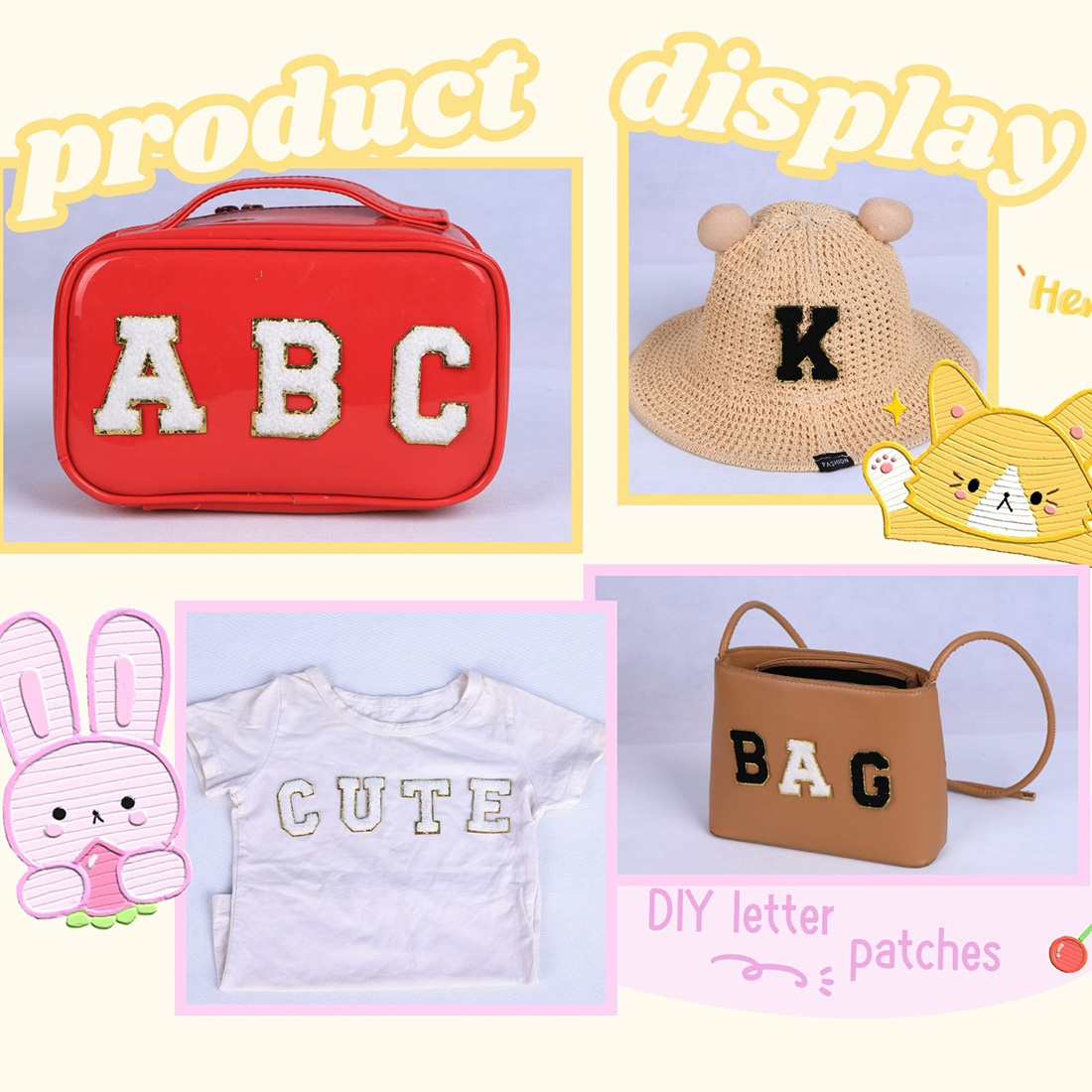
If you have ever run your fingers across a soft, fuzzy letter on a varsity jacket, you have met chenille embroidery. The word comes from the French chenille, meaning 'caterpillar' — a nod to the yarn's fuzzy, larval texture. But what exactly is chenille embroidery, how is it made, and why does it look so three-dimensional? This guide explains.
What Is Chenille?
Chenille is a type of yarn with a raised, velvety pile. Unlike a normal smooth embroidery thread, chenille yarn has short fibers standing out from a central core, which gives it that plush, light-catching softness. When used in embroidery, the result is a tactile, raised design that pops off the fabric.
How Chenille Embroidery Is Made
Traditionally, chenille is produced on a special loom: yarn is wound around a spool of thread, then the loops are cut to release a fuzzy tuft. In modern patch production, machines sew the chenille yarn onto a fabric backing in a dense, looped pattern, then the surface is finished so the pile stands up. The backing (often felt or twill) gives the patch structure, and a heat-activated adhesive can be added for iron-on application.
Chenille vs. Standard (Flat) Embroidery
Most logo embroidery you see on caps and polos is flat satin-stitch work — smooth, two-dimensional, and durable. Chenille is different: it is intentionally raised and fuzzy, mimicking the look of a plush rug. That makes it ideal for big, bold letters and shapes where texture matters more than fine detail.
Why Chenille Pops
- Dimension: the pile creates a 3D shadow that flat stitch can't match.
- Light play: the fibers catch and scatter light, so letters shimmer as you move.
- Softness: it feels as good as it looks — a tactile invitation to touch.
Where You See Chenille
Chenille is the classic material of letterman and varsity jackets, Greek-letter organization badges, cheer and dance team emblems, and commemorative patches. Its bold look reads well from a distance, which is exactly why schools and teams love it.
Caring for Chenille Patches
Chenille prefers gentle treatment: turn garments inside out, wash cold on a delicate cycle, and avoid high-heat drying, which can flatten the pile. If a patch is iron-on, never press the iron directly on the chenille — use a cloth barrier and low heat.
Conclusion
Chenille embroidery is the cozy, dimensional cousin of flat embroidery — perfect when you want a design that feels as bold as it looks.
Ready to start your own embroidery project?
Explore YTONN's 26-piece chenille letter patch set or the 52-piece white & black varsity set — self-adhesive, iron-on appliques for jackets, hats, and jeans.