
The YTONN Journal
Guides, world embroidery traditions & stories for makers who patch, stitch & personalize.
Every guide pairs with a real YTONN patch — find the one for your next project.
Shop chenille letter patches →
Turkmen Embroidery: Gul Patterns, Carpets, and the Central Asian Thread
Across the Karakum desert, Turkmen tribes stitched gul patterns into wool and silk. Trace Turkmen embroidery’s history and spread.
Read → Saudi Arabian Embroidery: Najdi, Hijazi, and the Bedouin Thread
From the Hijaz coast to the Najd plateau, Saudi Arabia stitches regional identity in metallic thread. Trace Saudi embroidery’s history and spread.
Read → Paraguayan Embroidery: Ñandutí Lace and the Guaraní Thread
Home of the spiderweb lace ñandutí, Paraguay stitches Guaraní heritage into thread. Trace Paraguayan embroidery’s history and spread.
Read → Micronesian Embroidery: Coral Islands, Coconut Fiber, and the Ocean Thread
Across Guam, the Marianas, and the Carolines, Micronesians turned fiber and shell into meaning. Trace Micronesian embroidery’s history and spread.
Read → Libyan Embroidery: Bedouin, Tuareg, and the Mediterranean Thread
From Tripoli’s Mediterranean courts to the Sahara’s Tuareg, Libya stitches desert and sea. Trace Libyan embroidery’s history and spread.
Read → Jordanian Embroidery: Bedouin Bands, Madaba, and the Desert Thread
Between Petra’s sandstone and the Bedouin tent, Jordan stitches identity in red and indigo. Trace Jordanian embroidery’s history and spread.
Read → East African Embroidery: Swahili Coast, Kanga, and the Indian Ocean Thread
From the Swahili coast’s kanzu to the printed-and-stitched kanga, East Africa blends ocean and inland threads. Trace East African embroidery’s history and spread.
Read → Argentine & Uruguayan Embroidery: Gaucho Ponchos and the Rioplatense Thread
Between the Pampas and the Río de la Plata, Argentina and Uruguay stitched gaucho identity. Trace Rioplatense embroidery’s history and spread.
Read → Melanesian Embroidery: Papua New Guinea Barkcloth and the Island Thread
Across Papua New Guinea and the Solomons, Melanesian peoples turned barkcloth, shell, and fiber into meaning. Trace Melanesian embroidery’s history and spread.
Read → Finnish & Sámi Embroidery: Karelian Bands and the Arctic Duodji
Between Baltic shores and the Arctic, Finland and the Sámi turned wool and sinew into identity. Trace Finnish and Sámi embroidery’s history and spread.
Read → Chilean Embroidery: Mapuche Trarilonko and the Threads of the Long Country
From Mapuche trarilonko headbands to Easter Island textiles, Chile stitches its geography. Trace Chilean embroidery’s history and spread.
Read → French Embroidery: Lunéville, Auvergne, and the Art of the French Knot
From the bead-covered gowns of Lunéville to the counted woolwork of Auvergne, French embroidery set the standard for elegance. Trace its history and spread.
Read → Venezuelan Embroidery: Llanos, Andes, and the Orinoco Thread
From Andean ribbons to Llanos folk dress, Venezuelan embroidery stitches region and resistance. Trace its history and how the Orinoco thread spread.
Read → Baba Nyonya Embroidery: Peranakan Beadwork & the Straits Chinese Thread
Born of Chinese-Malay marriage in the Straits Settlements, Peranakan needlework fused two worlds in beadwork and embroidery. Trace its history and spread.
Read → Central American Embroidery: Maya Backstrap Weaving & Isthmus Folk Art
From Guatemala’s backstrap looms to Panama’s molas, Central America stitches identity in cotton and color. Trace the isthmus’s embroidery history and spread.
Read → Serbian, Montenegrin & Bosnian Embroidery: Balkan Threads of Identity
Across Serbia, Montenegro, and Bosnia, embroidery carried clan, faith, and resistance. Trace how Balkan threads encoded identity through empires and wars.
Read → Icelandic Embroidery: Sagas, National Dress, and the Northern Thread
Isolated for centuries, Iceland developed a quiet, precise embroidery tied to sagas and national dress. Discover how the northern thread carried identity across the cold.
Read → Kashmiri Embroidery: Sozni, Aari, and the Gardens of the Valley
From the floating gardens of Dal Lake to royal shawls, Kashmiri embroidery — sozni, aari, and tilla — turned the valley’s flowers into thread. Trace its history and spread.
Read → Algerian and Tunisian Embroidery: The Maghreb Needle — Chechia, Kofia and the Bridal Dress
In the Maghreb, Algerian Kabyle and wedding embroidery and Tunisian kofia and bridal work form a North African needle distinct from Morocco.
Read → Inuit and Arctic Indigenous Embroidery: The Amauti, the Kamik and the Cold-Weather Needle
Across the Arctic, Inuit embroidery and beadwork ornament the amauti (mother’s parka), the kamik (boot), and ceremonial regalia — a needle built for the cold.
Read → Sudanese and Nubian Embroidery: The Nile, the Tobe and the Desert Thread
Along the Nile and across the Sahel, Sudanese and Nubian embroidery — the women’s tobe, the bridal jirtik, and the desert motifs — carries a northeastern African needle.
Read → Bolivian Embroidery: The Andean Highlands, the Pollera and the Aymara Hand
In the high Andes, Bolivian Aymara and Quechua embroidery ornaments the pollera skirt, the hatband, and the woven sash — a textile of altitude and identity.
Read → Ecuadorian Embroidery: Andes, Coast and Amazon in One Thread
From Otavalo Indian textiles and Andean embroidered mantas to coastal mestizo florals and Afro-Ecuadorian work, Ecuador stitches three worlds into one.
Read → Albanian and Kosovar Embroidery: The Qilim, the Xhybe and the Balkan South
From Albanian qilim carpets and the xhybe embroidered vest to Kosovar bridal work, the Albanian lands carry a Balkan needle distinct from their neighbors.
Read → Cambodian (Khmer) Embroidery: The Apsara Thread and the Silk of Angkor
From the apsara dancers' costumes of Angkor to Khmer silk weaving and refugee-camp embroidery, Cambodia's needle carries a civilization's memory.
Read → Maltese Embroidery: The Phoenician Lace and the Island's Thread
Malta's bobbin lace (bizzilla), its Phoenician and Knights-of-St-John needlework, and the island's filigree of thread form a tiny but distinctive Mediterranean needle.
Read → Cypriot Embroidery: The Lefkara Lace and the Island's Thread
Cyprus's Lefkara lace (lefkaritika) — the pulled-thread work said to have charmed Leonardo — and the island's Venetian and village embroidery form a Mediterranean needle.
Read → Colombian Embroidery: Andean, Caribbean and Pacific Threads in One Country
Colombia's embroidery spans Andean mochila trims, Caribbean floral fiesta dresses, and Pacific Afro-Colombian work — a cross-continental needle inside one nation.
Read → Omani and Gulf Embroidery: The Arab Gulf's Needle — From Sirwal to Kandura
Along the Arabian Gulf, Omani, Emirati, and Gulf women embroidered the sirwal, the kandura trim, and the bridal dress in gold and silk — a distinct Arab needle.
Read → Bangladeshi Nakshi Kantha: The Patched Quilt of Bengal's Women
From the running-stitch kantha of rural Bengal to the nakshi (figured) quilts embroidered by Bangladeshi women, this is South Asia's most democratic needle art.
Read → Croatian and Slovenian Folk Embroidery: The Adriatic and Alpine Thread
From Croatian Pasmati lace and Slavic floral blouses to Slovenian bobbin lace and Alpine costume, the northwestern Balkans carry a distinct needle voice.
Read → Navajo and Native American Southwest Textiles: Weaving, Embroidery and the Spider Woman's Gift
The Navajo (Diné) raised Southwestern textile art to world class — shoulder blankets, rugs, and embroidered regalia woven and stitched across the desert Southwest.
Read → Vietnamese Embroidery: Silk, Village and the Lotus Thread
From Hanoi's silk embroidery ateliers to village craft and the Hmong highlands, Vietnamese needlework is Southeast Asia's most painterly thread.
Read → Dutch and Belgian Embroidery: Flemish Lace, Dutch Whitework and the Low Countries Needle
From Brussels and Mechlin lace to Dutch whitework and samplers, the Low Countries turned thread into an industry and an art that dressed early modern Europe.
Read → Georgian Embroidery: The Caucasus Crossroads of Silk, Church and Court
At the meeting of Europe and Asia, Georgian embroidery fuses Orthodox church vestments, Silk Road silk, and Caucasian mountain motifs into a distinct South-Caucasus voice.
Read → Baltic Folk Embroidery: Estonia, Latvia and Lithuania — The Northern Linen Thread
From Estonian kirikindlad gloves to Latvian and Lithuanian linen and sash weaving, the Baltic states carry a northern European needle art of symbol and survival.
Read → Pacific Islander Embroidery: Tonga, Fiji and Micronesia — The Oceanic Needle Beyond Polynesia
Beyond the well-known Maori and Hawaiian work, Tongan ngatu rubbings, Fijian masi and bark-cloth embroidery, and Micronesian lavalava carry Oceania's quieter threads.
Read → Australian Aboriginal Fiber and Needlework: From String and Basket to Mission-Era Embroidery
Australia's First Peoples shaped a continent of fiber art — string, basket, and bark — and took up introduced embroidery as a powerful contemporary voice.
Read → Thai, Burmese and Lao Embroidery: The Mandala Kingdoms of the Mekong
From Thai royal regalia and Burmese kalaga appliqué to Lao temple hangings and Hmong work, the Mekong's needle arts are Southeast Asia's courtly and devotional thread.
Read → Iraqi and Kurdish Embroidery: The Mesopotamian Thread, from Baghdad to the Mountains
Across Iraq and Kurdistan, Kurdish suzani and tribal embroidery, the Baghdadi Jewish needle, and Marsh Arab reed-work carry a Mesopotamian vocabulary older than empires.
Read → Czech and Slovak Folk Embroidery: Moravian Beadwork, Slovak Čipka and the Village Blouse
From Moravian bead-decorated costumes to Slovak lace (čipka) and the embroidered village blouse, Czech and Slovak needlework is Central Europe's floral grammar.
Read → Bulgarian Folk Embroidery: The Rhodope, Dobrudzha and the Balkan Thread
Bulgaria's folk embroidery — the red-and-black Rhodope work, the Dobrudzha costumes, and the Shop and North Bulgarian vocabulary — is a Balkan needle art of region and resistance.
Read → First Nations and Metis Embroidery: The Flower Beadwork People
From the Metis floral embroidery of the Red River to Inuit kamiks and beadwork, Indigenous Canadian needlework is a living art of survival and renaissance.
Read → Yemeni and Arabian Embroidery: The Southern Arabian Needle
Across Yemen and the Arabian Peninsula, embroidered cuffs, veils, and the famous Yemeni jambiya belts carry a distinct southern Arabian vocabulary of color and coin.
Read → Nepalese Embroidery: Newar, Mithila and the Buddhist Thanka Thread
Nepal's embroidery ranges from Newar Buddhist banner work to Mithila painting and the highland wool of the Himalayas — a South Asian needle art of many faiths.
Read → Central African Embroidery: Kuba, Bamileke and the Cloth of Kings
In the Congo Basin and Cameroon, Kuba cut-pile cloth, Bamileke and Bamum royal embroidery, and Grassfields appliqué form one of Africa's great textile traditions.
Read → Polish Folk Embroidery: Lowicz, Zalipie and the Painted Village
Poland's folk embroidery — the floral Lowicz costume, Zalipie's painted cottages, and Podhale highland wool — is a Slavic needle art of region and color.
Read → Turkish and Anatolian Embroidery: Oya Lace, Havlu Towels and the Yoruk Needle
From the delicate Oya lace edging a headscarf to embroidered havlu towels and Yoruk nomadic work, Turkish needlework bridges Europe and Asia.
Read → Malagasy Embroidery: Madagascar's Creole Thread Between Africa and Asia
On Madagascar, embroidery blends African, Asian, and European threads into a unique creole art — from the royal lamba to festival cloth.
Read → West African Applique and Festival Cloth: Benin, Ghana and the Storyteller's Needle
Beyond the royal robe, West Africa's appliqué and festival cloth — Benin's Fon banners, Ghanaian adinkra work — turn story and proverb into wearable art.
Read → Basque Embroidery: The Euskadi Stitch and a Nation in Thread
In the Basque Country, embroidery became a quiet language of identity — rural shirts, religious cloth, and a distinctive geometric vocabulary.
Read → Kazakh and Kyrgyz Nomadic Embroidery: Felt, Horse, and the Steppe
On the Central Asian steppe, Kazakh and Kyrgyz embroidery rides with the yurt and the horse — a nomadic art of felt, silk, and inherited pattern.
Read → Afghan and Pakistani Tribal Embroidery: Kuchi, Hazara and the Nomad's Stitch
Across Afghanistan and Pakistan, tribal embroidery — Kuchi, Hazara, Sindhi, Balochi — turns clothing into a map of tribe, region, and exile.
Read → Central European Whitework: Swiss, Austrian and German Thread
From Swiss linen embroidery to Austrian gold and German sampler culture, Central Europe's needle arts are precise, domestic, and quietly beautiful.
Read → Philippine Embroidery: Piña Fiber, Barong Tagalog, and Three Centuries of Colonial Thread
The Philippines turned pineapple fiber into luminous embroidery - the barong Tagalog and panuelo - blending indigenous, Spanish, and Chinese threads into a national cloth.
Read → Mongolian Nomadic Embroidery: The Deel, the Saddle, and the Eternal Blue Sky
For Mongolia's nomads, embroidery rides with you - on the deel's collar, the horse's saddle, and the Buddhist banner, stitched for a life on the move.
Read → Caucasus Embroidery: Azerbaijan, Armenia and Georgia's Mountain Needlework
Between the Black and Caspian Seas, the Caucasus developed a layered needlework - Azerbaijani gold, Armenian needlelace, and Georgian ecclesiastical embroidery.
Read → Contemporary and Sustainable Embroidery: Visible Mending, Slow Fashion and the Modern Needle
A global revival is reclaiming the needle - visible mending, slow fashion, and fine-art embroidery turn stitching into protest, therapy, and sustainability.
Read → African Diaspora Quilting: Gee's Bend, Freedom, and the Quilts That Crossed an Ocean
Born of enslavement and kept alive by necessity, African American quilting - from Gee's Bend to the Freedom Quilting Bee - turned scraps into art, community, and heritage.
Read → Sri Lankan Embroidery: Island Motifs, Colonial Threads and a Buddhist Needle
On the island of Sri Lanka, embroidery blends Sinhalese and Tamil folk motifs, Portuguese-Dutch-British colonial threads, and Buddhist devotion into a quiet island art.
Read → Egyptian Embroidery: Coptic, Pharaonic Revival and the Oasis of Siwa
From Coptic Christian whitework to a Pharaonic revival and the Amazigh embroidery of Siwa, Egypt stitched its layered history into cloth.
Read → Levantine Embroidery: Syria and Lebanon's Silk, Cross-Stitch and Cedar Motifs
Between the Mediterranean and the desert, Syrian and Lebanese embroidery blended Damascus silks, cross-stitch, and a diaspora's longing.
Read → Indonesian and Malay Embroidery: Tekat Goldwork, Tais, and Island Ceremony
Across the Malay world and the Indonesian archipelago, metal-thread tekat, Timorese tais, and ceremonial cloth turn the needle into ritual.
Read → Caribbean Embroidery: Haiti, Cuba and Jamaica - Threads of Three Worlds
In the Caribbean, African, European, and Indigenous traditions met on the hoop - from Haitian sequins to Cuban guayabera embroidery.
Read → Portuguese and Brazilian Embroidery: Madeira's Whitework and Brazilian Richelieu
From the celebrated whitework of Madeira to Brazil's open Richelieu stitch, the Lusophone world turned linen and lace into an export art.
Read → Persian Embroidery: Safavid Silk, Rasht, and the Garden in Thread
Beyond Zardozi's gold, Persia developed a softer silk vocabulary - Safavid court embroidery, Rasht work, and a whole garden stitched in thread.
Read → Mexican Folk Embroidery: Tenango, Otomi and Chiapas Flowers
Mexico's mestizo embroidery bursts with birds and blossoms - Tenango's naive scenes, Otomi visions, and Chiapas's floral blouses.
Read → Caravan-City Embroidery: Samarkand, Bukhara and the Silk Road Needle
At the crossroads of the Silk Road, the oasis cities of Central Asia stitched gold thread and trade into cloth - the urban face of Suzani country.
Read → American Quilting: From Colonial Bed to Amish Geometry
Quilting crossed the Atlantic with European settlers, then found its American voice - from colonial whole-cloth to Amish plainness and the Baltimore album.
Read → Celtic and Irish Embroidery: Knotwork, Saints and the Scottish Tongue
From illuminated manuscripts to Scottish samplers, the Celtic world stitched its spirals and saints into cloth for a thousand years.
Read → Japanese Sashiko: The Humble Stitch That Became Art
Born as frugal mending, sashiko - and its cousins kogin and boro - turned indigo and white cotton into a Japanese design language now worn worldwide.
Read → South Asian Embroidery: India's Kantha, Phulkari and Kashida
From Bengal's running-stitch kantha to Punjab's phulkari and Kashmir's kashida, the Indian subcontinent turns thread into regional identity.
Read → Romanian and Balkan Embroidery: The Ia Blouse and Danube Tulips
The Romanian ia - a white blouse embroidered with cosmic symbols - became a regional emblem, its motifs echoing across the Balkans.
Read → Himalayan Needlework: Tibetan Aprons, Bhutanese and Nepalese Motifs
Across the roof of the world, embroidery carries faith and identity - Tibetan aprons, Bhutanese ghos, and Nepalese bead-and-thread mantles.
Read → Ethiopian and Eritrean Embroidery: Coptic Crosses and Church Cloth
In the Ethiopian highlands, embroidery is sacred geometry - priestly garments, liturgical umbrellas, and the Coptic cross worked in silk and gold.
Read → West African Embroidery: Yoruba, Hausa and Akan Symbols
Beyond woven kente, West Africa developed rich embroidery - Yoruba royal robes, Hausa leatherwork, and Akan adinkra symbolism stitched into cloth.
Read → Hungarian Folk Embroidery: Kalocsa Flowers and Matyo Roses
In the Great Hungarian Plain, embroidery is a riot of tulips and roses - Kalocsa's garden borders and the Matyo's black-cloth masterpieces.
Read → Greek Island Embroidery: The Aegean's Whitework and the Migrating 'Kars'
From the crisp white-on-white of the Cyclades to the brightly worked 'kars' of Skyros, Greek island embroidery turned sails, dowries, and diaspora into a living map.
Read → The Silk Road's Golden Needle: Byzantine and Ottoman Court Embroidery
Where Europe met Asia in gold thread: Byzantine silk-and-gold vestments and the Ottoman court ateliers that set the standard for luxury embroidery.
Read → Northern Lights of Thread: Scandinavian and Baltic Embroidery
In the cold north, thread brought warmth and meaning - Hardanger openwork, Finnish ryijy rugs, and Sami tin-thread embroidery.
Read → Latin American Indigenous Textiles: Maya, Huichol and Andean Weavers
From the Maya huipil to the Andean aguayo, Indigenous weavers of the Americas kept a backstrap-loom tradition alive across empires and conquests.
Read → Pacific Threads: Maori Tāniko, Samoan Siapo and Hawaiian Kapa
Across the world's widest ocean, Pacific peoples turned flax, bark, and feather into cloth and pattern - and carried it with them on the great voyages.
Read → Southern African Beadwork: Ndebele, Xhosa and Zulu Messages in Glass
In Southern Africa, beads became a written language - Ndebele geometry, Xhosa collars, and Zulu "love letters" that spoke without words.
Read → North African Embroidery: Morocco's Blue Threads and the Tuareg Veil
From the blue-on-white silk of Fes to the indigo-dyed veil of the Tuareg, North African needlework sits where the Mediterranean, the Sahara, and the Islamic world meet.
Read → Suzani and the Silk Road: Central Asian Embroidery of the Nomads
Suzani, the magnificent embroidered hangings of Uzbek and Tajik nomads, were bridal dowry treasures stitched by generations of women along the Silk Road.
Read → Jewish Embroidery: Sephardi, Ashkenazi, and the Wanderings of a People's Cloth
From Sephardi silk mantillas to Ashkenazi Torah mantles and Mizrahi wedding garments, Jewish embroidery traveled wherever the diaspora settled.
Read → Indigenous American Beadwork and Embroidery: From Quillwork to Glass Beads
Before glass beads, Native peoples of North America embroidered with porcupine quills and shells; trade reshaped the art, but the meaning endured.
Read → Russian and Eastern European Embroidery: From Peasant Shirts to Imperial Gold
Red-on-white geometric shirts, embroidered rushnyk towels, and imperial gold thread: Eastern Europe stitches its cosmology, faith, and folklore into cloth.
Read → West African Royal Embroidery: Yoruba, Hausa, and the Cloth of Kings
In West Africa, embroidery is worn power: the heavily stitched robes of Yoruba kings, Hausa scholars, and Tuareg nobility broadcast status across the savanna.
Read → Southeast Asian Embroidery: Vietnam, Thailand, and the Southern Silk Road
From Vietnamese silk thread-painting to Thai royal goldwork, Southeast Asian embroidery is a story of monsoon trade, Chinese technique, and colonial encounter.
Read → How Knitting Traveled the World: From Egyptian Socks to Global Craft
Knitting's simple loop hides a vast history: invented in the Near East, industrialized in Europe, and circled the globe as folk art and fashion.
Read → From Lisbon to Lima: How Iberian Embroidery Crossed the Atlantic
When Iberian ships crossed the Atlantic they carried embroidery traditions that fused with Indigenous and African techniques across the Americas.
Read → Hmong Embroidery: Stitches That Carried a People Across Borders
For the Hmong, embroidery is a written language without letters: batik, counted patterns, and story cloths that recorded a people's journey across mountains and oceans.
Read → Tatreez: The Embroidered Map of Palestine and Its Diaspora
Tatreez is more than Palestinian cross-stitch; it is a coded map of villages, a record of women's hands, and a symbol of identity kept alive across displacement.
Read → Jasu and Bojagi: The Embroidered Soul of Korea
Jasu, the court embroidery of Korea, and bojagi, the pieced wrapping cloth, reveal a distinctly Korean sense of color, restraint, and meaning stitched over a millennium.
Read → Zardozi and the Silk Road: How Persian Gold-Thread Embroidery Conquered the World
From the royal workshops of Persia to the bridal couture of India, Zardozi's gold-thread embroidery is a two-thousand-year story of trade, empire, and craft.
Read → Irish Crochet Lace: An Invention Born of Famine
Irish crochet lace was born in the 1840s famine as a way for families to survive. Learn how nuns, motifs, and mesh turned need into a national craft.
Read → Bargello & Assisi: Italy’s Geometric Embroidery Twins
Bargello (Florentine flame stitch) and Assisi (voided work) are Italy’s two geometric embroidery traditions. Learn their looks, history, and how to tell them apart.
Read → Cross Stitch Samplers: How a Girl’s Alphabet Became Folk Art
Cross stitch samplers began as a girl’s stitch dictionary and became treasured folk art. Learn their history, alphabets, and why we still love them.
Read → Phulkari: The Flowered Head-Cloths of Punjab
Phulkari — Punjab’s flowered head-cloths — turn silk floss and counting thread into gardens of meaning. Learn the bagh, the odhani, and their wedding role.
Read → Goldwork Embroidery: Threads of Gold and Sacred Splendor
Goldwork embroidery — couched metal thread — clothed popes and royalty. Discover opus anglicanum, its materials, and its haute-couture revival.
Read → Crewel Embroidery: The Jacobean Tree of Life
Crewel embroidery — wool on linen — defined the Jacobean Tree of Life look. Learn its history and why its tactile warmth still inspires makers.
Read → Whitework & Blackwork: Europe’s Elegant Embroidery Traditions
Whitework and blackwork prove color is optional — intention is not. Explore Europe’s two monochrome embroidery classics and their open-thread techniques.
Read → Kantha, Tenango & Kalocsa: Folk Embroidery Across Three Continents
Kantha of India, Tenango of Mexico, and Kalocsa of Hungary — three folk embroidery traditions that turn everyday cloth into joyful art.
Read → Fair Isle, Aran & Selbu: The Living Heritage of Traditional Knitting
Before mass manufacturing, a sweater revealed where its maker lived. Explore Fair Isle, Aran, and Selbu — the great traditions of traditional knitting.
Read → Vyshyvanka: The Living Soul of Ukrainian Embroidery
The vyshyvanka is more than a shirt — it is Ukrainian identity in thread. Learn its regional codes, symbols, and global revival.
Read → Sashiko: Japan’s Humble Stitch of Beauty, Repair, and boro
Discover sashiko, Japan’s meditative running-stitch embroidery, and the boro philosophy of mending — plus how to bring that spirit to modern DIY.
Read → The Four Great Chinese Embroideries: Su, Xiang, Shu, and Yue
Meet the Four Great Chinese Embroideries — Su, Xiang, Shu and Yue — and learn how their silk-thread heritage inspires modern DIY patch work.
Read →
Personalize Your Jacket, Jeans, and Hat: A DIY Patch Decorating Guide
A practical DIY guide to decorating jackets, jeans, and hats with embroidered and chenille patches — placement, layout, and care tips.
Read →
Letter Patches & Varsity Culture: The Story Behind A-Z Patches
From 1865 Harvard letterman jackets to today’s A-Z DIY trend — the cultural history of chenille letter patches and how to use them.
Read →
How to Iron On Patches: A Step-by-Step Application Guide
Learn how to iron on embroidered and chenille patches the right way — materials, fabric compatibility, step-by-step pressing, care, and removal.
Read →
Embroidery Techniques Explained: From Satin Stitch to Applique
A plain-English tour of embroidery stitches and techniques — running, satin, chain, French knot, crewel, goldwork, applique, and chenille.
Read →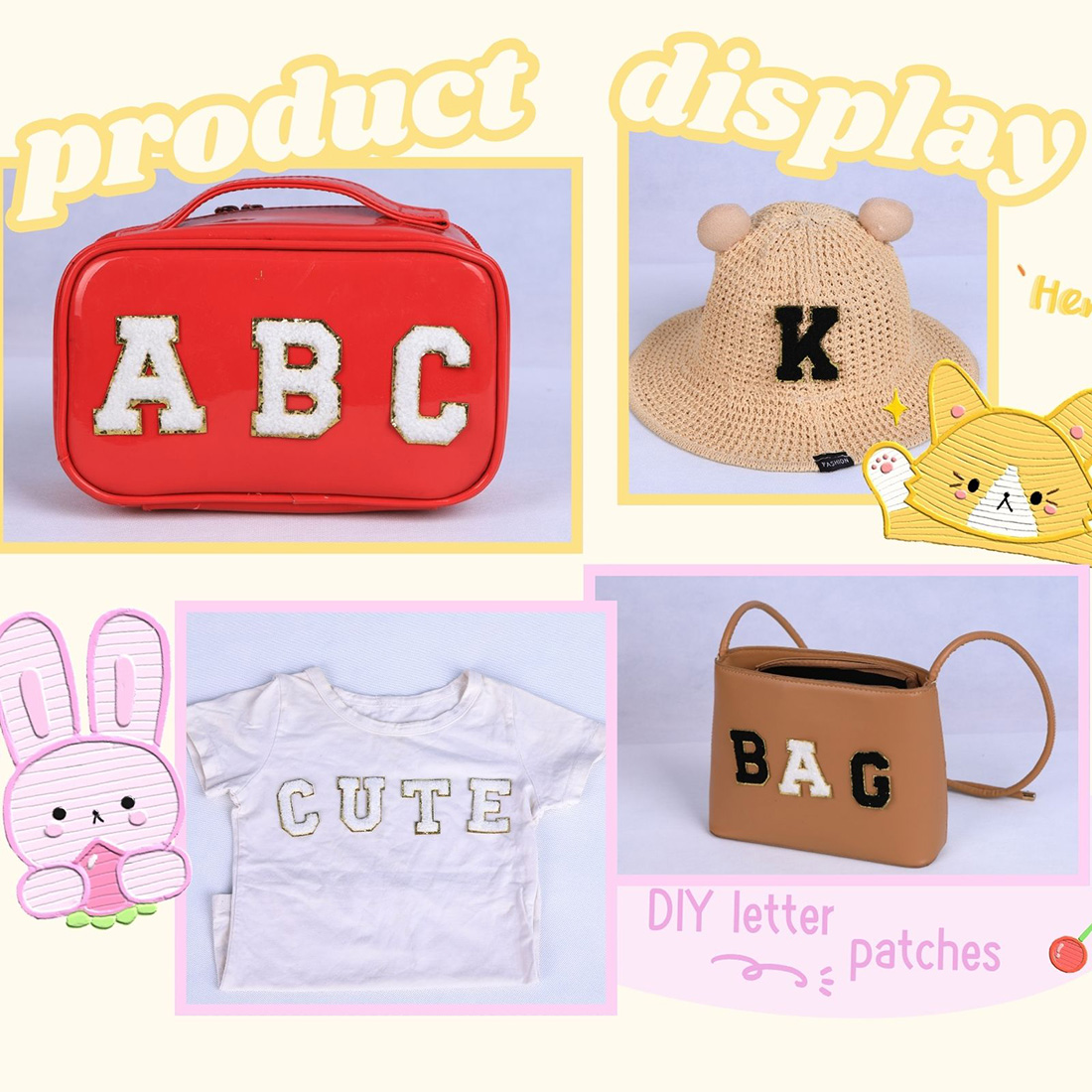
What Is Chenille Embroidery? The Fuzzy, Dimensional Stitch Explained
Chenille embroidery explained: what it is, how the fuzzy raised yarn is made, how it differs from flat embroidery, and how to care for chenille patches.
Read →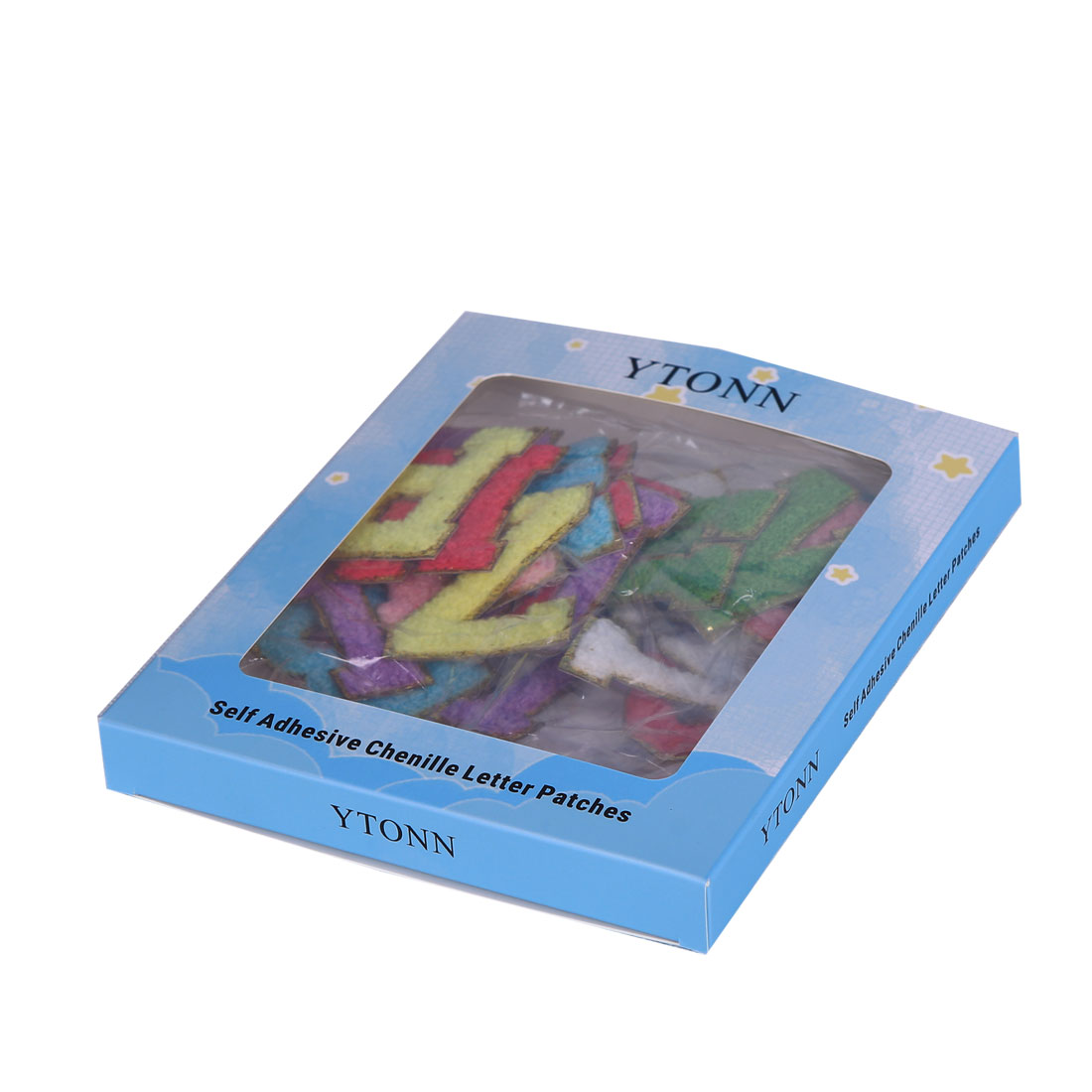
The History of Embroidery: How Thread and Needle Shaped Human Culture
Trace embroidery from ancient Egypt and the Silk Road to varsity chenille patches — a 5,000-year story of thread, status, and self-expression.
Read → Define Your Identity: YTONN Embroidered Letter Patches
Whether you're strolling through the streets of New York, on a campus in Toronto, or in an artsy district of Mexico City, […]
Read → Revive Your Wardrobe: Why Ytonn Embroidered Patches Are a DIY Game-Changer
Why Ytonn Dominates the Amazon Charts Premium Craftsmanship: Unlike thin, flimsy alternatives, Ytonn patches feature high-density embroidery and vibrant threading. Reviewers frequently […]
Read → Redefine Your Style with Ytonn Premium Gold Trim Chenille Letter Patches
The Ultimate DIY Accessory for the Modern Creative Give your wardrobe a high-end varsity makeover with Ytonn Chenille Letter Patches. Designed for […]
Read → Elevate Your Style with These Gold Trim Chenille Letter Patches
If you are looking for an easy way to customize your wardrobe with a premium, retro feel, these Chenille Letter Patches are […]
Read → Finally found a varsity patch set that actually includes enough letters—YTONN 52pcs Chenille Set (DIY Review)
Hey everyone! Just wanted to drop a quick recommendation for anyone doing custom gear for spring break, bachelorette parties, or just refreshing […]
Read → Zhoucun Grand Dyehouse“Number One Village Under Heaven”
Zhoucun Grand Dyehouse is located in the Zhoucun Ancient Commercial City (also known as Zhoucun Ancient Street) in Zhoucun District, Zibo City, […]
Read →