
Embroidery is a broad family of techniques. Whether you are holding a hoop for the first time or shopping for custom patches, knowing the vocabulary helps you choose the right look. This guide walks through the main stitches and techniques — from the humble running stitch to chenille and applique.
Hand vs. Machine Embroidery
Hand embroidery is meditative and endlessly flexible; machine embroidery (from domestic combi machines to industrial schiffli and computerized heads) is fast and consistent. Most commercial patches are machine-made, but the underlying stitches are the same ones humans have used for centuries.
Essential Hand Stitches
- Running stitch: the simplest in-and-out line — the backbone of most embroidery.
- Backstitch: creates a continuous looking line, great for outlines.
- Satin stitch: packed flat stitches that fill a shape with smooth color — the workhorse of logo embroidery.
- Chain stitch: interlocking loops that form a rope-like line, common in traditional and folk work.
- French knot: a tiny raised dot, used for texture and eyes or centers.
- Cross-stitch: X-shaped stitches on even-weave fabric, the basis of countless samplers.
Decorative Techniques
- Crewel: free-form wool embroidery on linen, often floral.
- Blackwork: geometric monochrome patterning, historically Spanish and English.
- Whitework: white thread on white fabric (for example Broderie Anglaise).
- Goldwork: couched metal threads for ceremonial and luxury pieces.
- Stumpwork: raised, padded, three-dimensional embroidery.
Applique and Chenille
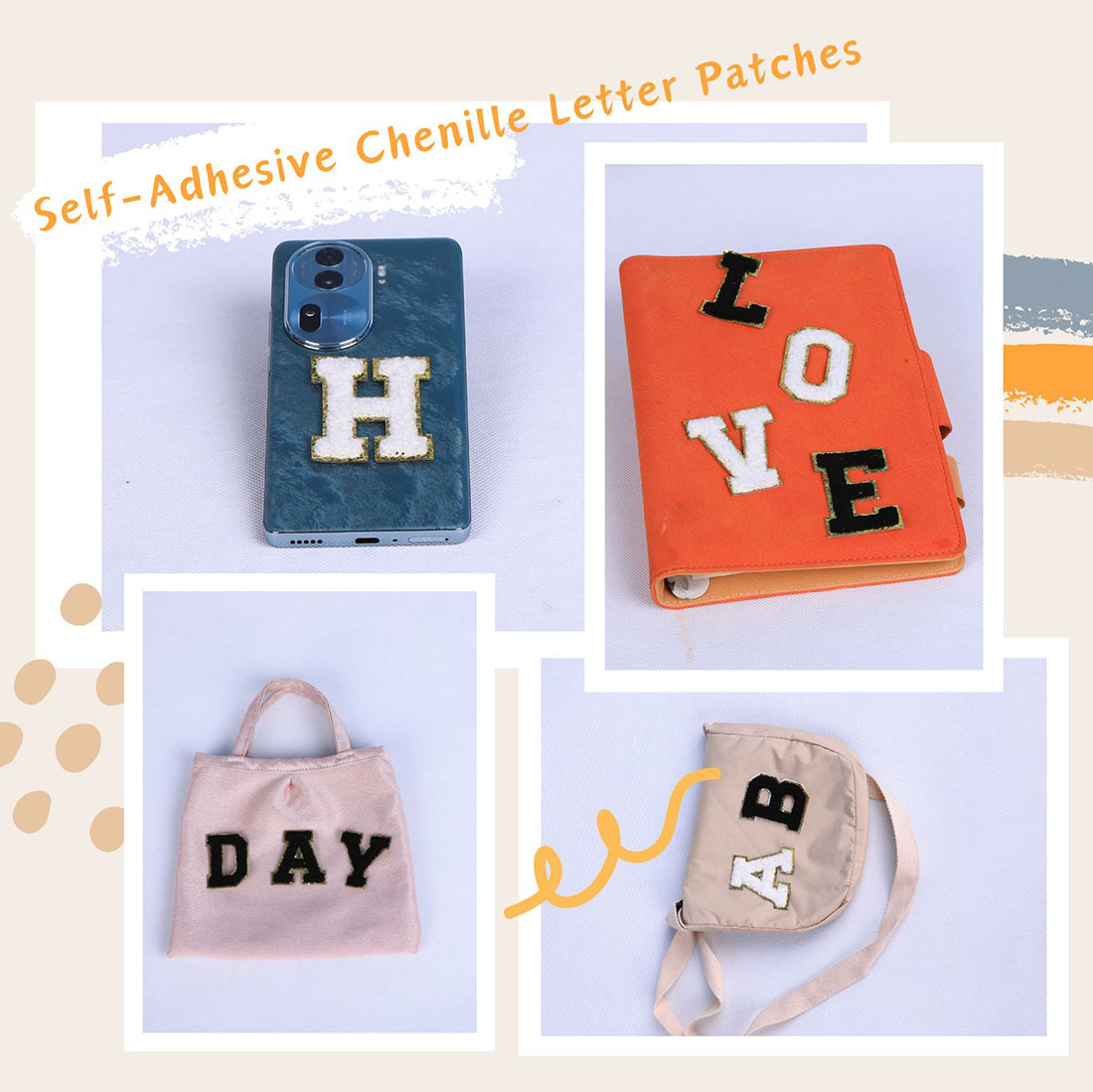
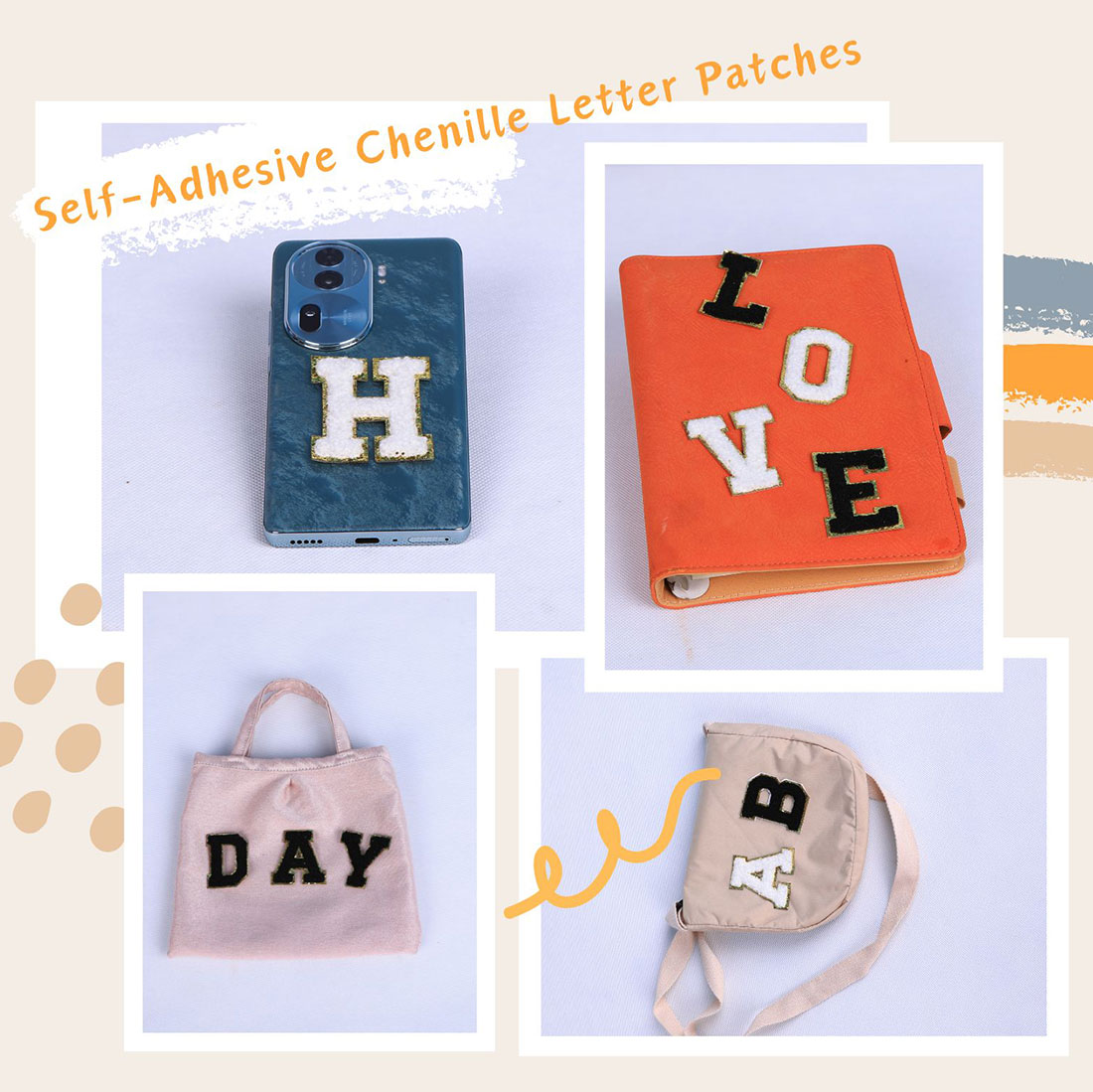
Applique is the art of sewing one piece of fabric on top of another to build a shape — efficient for large areas of color. Chenille adds a fuzzy, raised pile for bold letters and emblems, while embroidered patches typically combine satin-stitch outlines with fill to create durable, detailed designs.
How Commercial Patches Are Made
A typical embroidered patch starts as a digital design, which an embroidery machine stitches onto twill or felt. A backing (plastic, heat-seal, or adhesive) is added, and the patch is cut to shape — sometimes with a merrowed (overlocked) border. The result is a small piece of art you can iron or sew anywhere.
Conclusion
Every patch you own is the product of these centuries-old techniques, now scaled by machines. Understanding them helps you appreciate — and choose — your embroidery.
Ready to start your own embroidery project?
Explore YTONN's 26-piece chenille letter patch set or the 52-piece white & black varsity set — self-adhesive, iron-on appliques for jackets, hats, and jeans.
