Embroidery is one of the oldest decorative arts in human history. The simple act of decorating cloth with a threaded needle predates written language in many cultures. Long before mass-produced clothing, embroidery turned ordinary fabric into a statement of identity, status, and belief. This article traces how embroidery traveled from ancient tombs to modern DIY patch culture.
The Earliest Threads: Antiquity
Some of the earliest surviving examples come from ancient Egypt, where tomb paintings and a few preserved garments from the 1st Dynasty (around 3000 BCE) show carefully worked linen. In China, embroidered silk has been found in Zhou-era sites, and among the Miao and other groups embroidery became a language of heritage passed from mother to daughter. On the other side of the world, the Paracas culture of Peru produced astonishingly detailed embroidered textiles more than 2,000 years ago, while the frozen Pazyryk carpet from a Scythian burial (5th century BCE) shows that even nomadic peoples valued stitched ornament.
The Silk Road and the Exchange of Technique
As trade routes connected East and West, embroidery techniques and motifs traveled with silk, wool, and gold thread. Chinese and Persian patterns influenced Byzantine and later European work; couched gold thread (goldwork) became a prestige technique across continents. Embroidery was never just decoration — it was a portable technology of status.
Medieval Europe: Opus Anglicanum and the Bayeux Work
In medieval England, Opus Anglicanum — 'English work' — was prized across Europe for its refined figural embroidery used in church vestments. The famous Bayeux 'Tapestry' is in fact an embroidery: a 70-meter linen strip depicting the Norman conquest, stitched in wool onto linen. These works show embroidery's power as storytelling.
Renaissance to the 18th Century
The Renaissance brought silk embroidery into the home, and by the 16th to 18th centuries, samplers became a way for girls to learn and record stitches. Jacobean crewelwork — loosely sketched floral designs in wool — decorated English manor houses, while stumpwork added raised, three-dimensional figures. Embroidery was both art and education.
The Industrial Revolution and Mechanization
The 19th century changed everything. The Jacquard loom (1804) and later the schiffli machine mechanized embroidery, making ornate patterns affordable. Berlin wool work crazes swept parlors, and embroidery became a middle-class pastime even as hand skills declined in factories.
The 20th Century: From Art Movements to Chenille
The Arts and Crafts movement revived hand embroidery as a reaction against industrialization. Meanwhile, machine embroidery matured: chenille — the fuzzy, raised yarn technique — became the signature of American varsity letterman jackets. By the late 20th century, computerized embroidery machines made it possible to stitch a logo or a name in minutes.
Embroidery Today: Personalization Culture
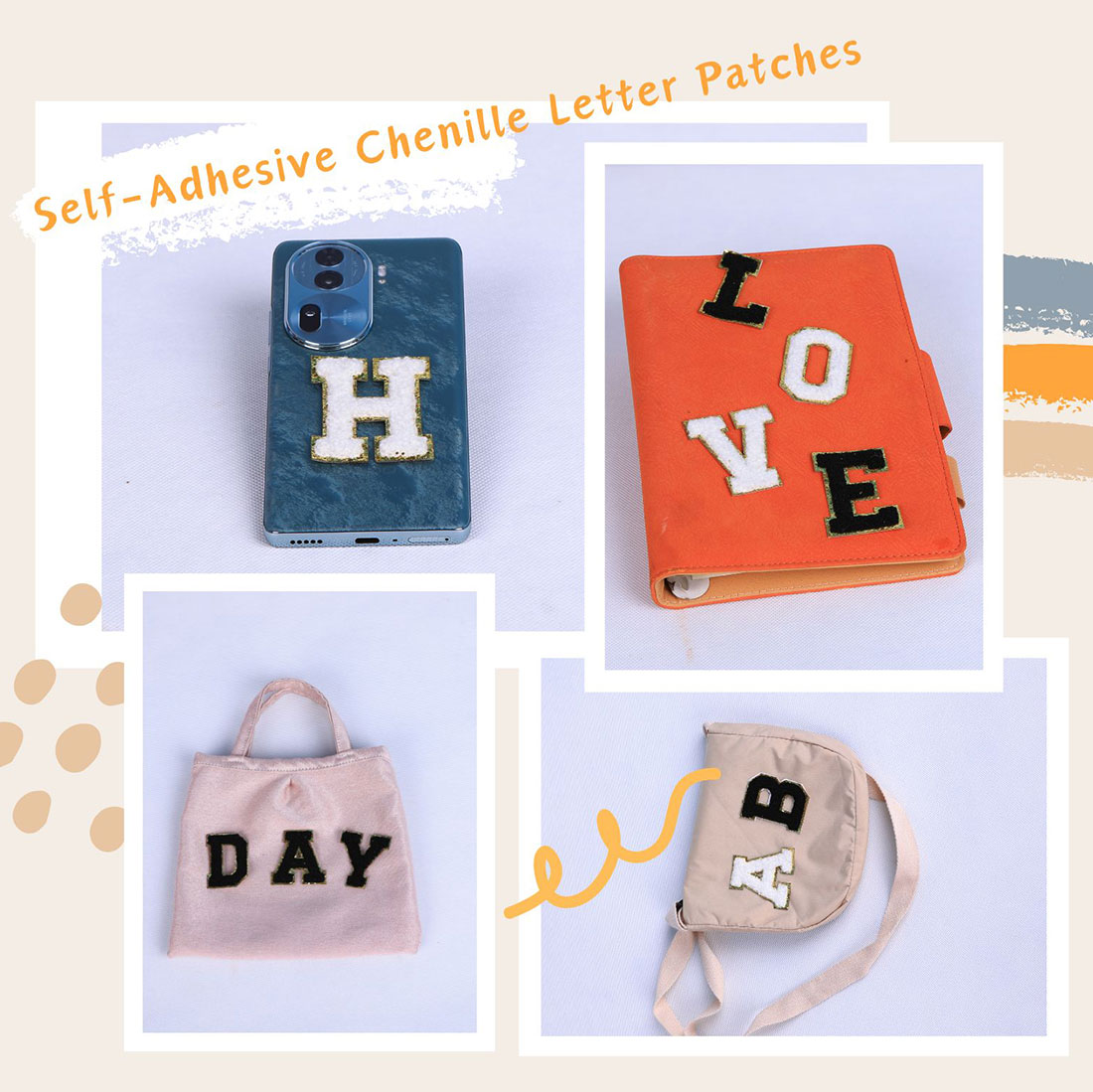
Today embroidery is everywhere — on haute couture runways, on sneakers, and, most accessibly, on iron-on patches. The rise of DIY culture and small-batch personalization means anyone can turn a plain jacket into a statement. Chenille letter patches, in particular, let you spell a name, a team, or a feeling.
Conclusion
From pharaohs to football fields, embroidery has always been how people say 'this is mine.' The next chapter is yours to stitch.
Ready to start your own embroidery project?
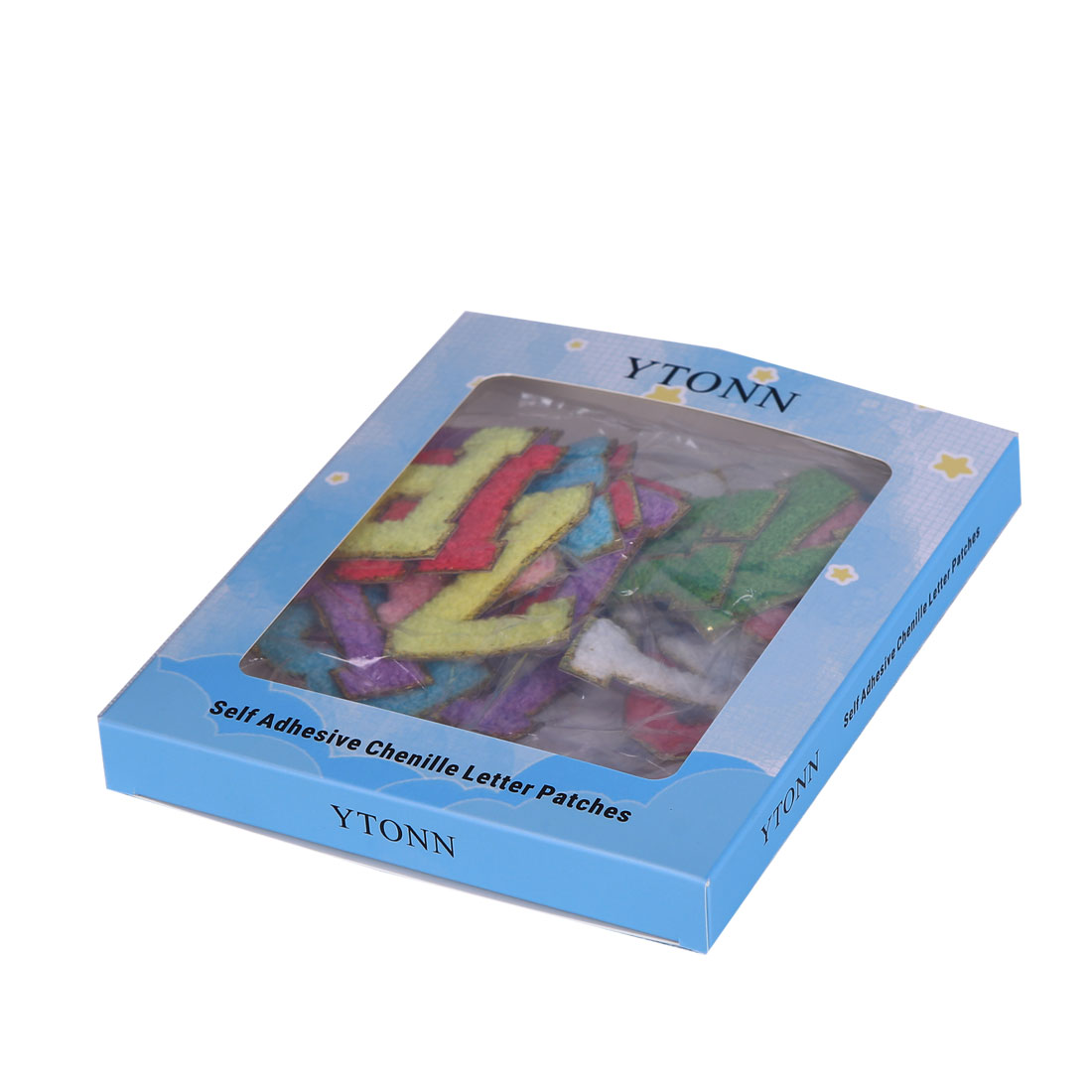
Explore YTONN's 26-piece chenille letter patch set or the 52-piece white & black varsity set — self-adhesive, iron-on appliques for jackets, hats, and jeans.