Before There Were Beads
Long before European glass arrived, the Indigenous peoples of North America were master embroiderers. They worked porcupine quills, freshwater shells, moose hair, and porcupine quill embroidery into clothing, moccasins, and regalia - a craft of patience that needed no loom and no imported material.
Quillwork and Wampum
Among the Plains, Great Lakes, and Subarctic peoples, porcupine quillwork was the highest decorative art: quills were flattened, dyed with plant and mineral colors, and sewn or wrapped onto hide in bands of geometric and floral design. In the Eastern Woodlands, polished shell wampum recorded treaties and told stories, while pictographic hide painting carried history.
Trade Reshaped the Art (Liu Zhuan)
European contact changed everything and nothing. Venetian and later Czech glass trade beads flowed in through the fur trade from the 17th century, offering a new, brilliant palette that artisans adopted eagerly - beadwork largely replaced quillwork in many nations, but the patterns, the garments, and the meaning stayed Indigenous. Forced relocation - the Trail of Tears, reservation confinement - disrupted transmission, yet families adapted, teaching the next generation in secret and in community. The 20th century brought a powerful revival: powwow culture, Native-owned fashion houses, and a generation of artists who treat beadwork as both fine art and a claim of sovereignty. Museums are slowly returning pieces taken a century ago.
Why It Endures
Like Hmong story cloths, Indigenous beadwork proves that a people's art can survive displacement and still mean home.
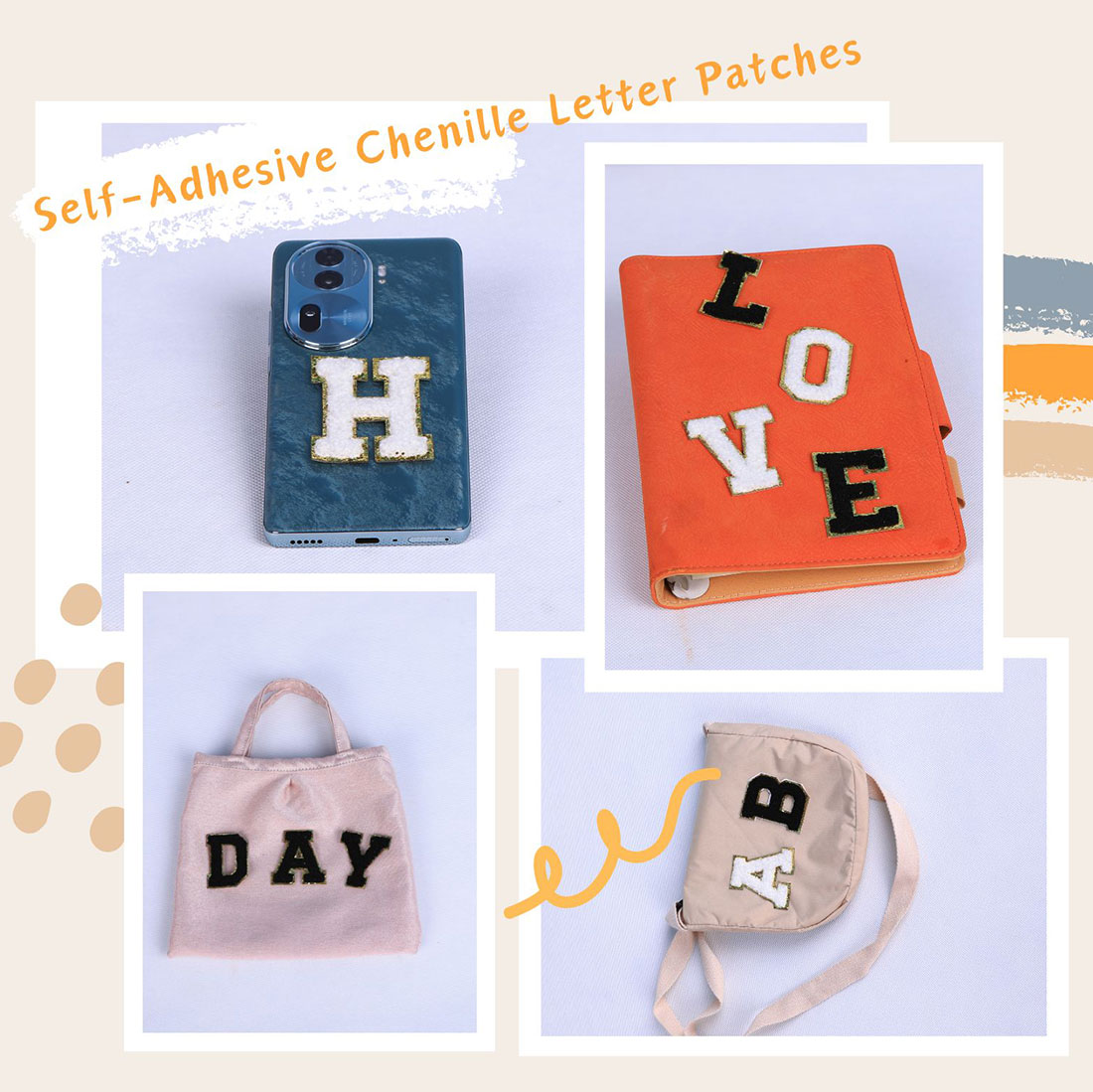
Continue the World Embroidery Series, and wear your initials with chenille letter patches.