The Loom That Crossed a Continent
Long before Europe reached the Americas, Indigenous peoples from Mesoamerica to the Andes were master weavers. The backstrap loom - portable, personal, and precise - let a single woman weave a garment encoded with her community's visual language. That tradition survived conquest, colonization, and globalization in ways few other pre-Columbian arts did.
Maya Huipiles
Among the Maya of Guatemala and southern Mexico, the huipil is a woven blouse whose brocaded supplementary-weft motifs act like a textile dialect: each town, sometimes each family, has its own vocabulary of birds, mountains, and cosmos. A huipil can record a woman's identity as plainly as a passport, and it is still worn daily and ceremonially.
Huichol Yarn and Bead Painting
The Huichol (Wixáritari) of western Mexico translate vision into surface. Using a beeswax-and-resin base, they press colored yarn (nerikilari) into intricate sacred geometries - deer, peyote, the sun - or replace yarn with chaquira glass beads. Each pattern is a map of a cosmology, not a decoration.
Andean Aguayos
In the high Andes, Peru, Bolivia, and Ecuador weave warp-faced cloth from alpaca and llama wool into the aguayo (or manta) - a shawl that doubles as a cradle, a market bag, and a status marker. Chullo hats, belts, and tunics carry motifs of birds, rivers, and pacha (earth), descended from Paracas, Nazca, and Inca weaving that predates the Spanish by a thousand years.
History: Survival Through Conquest
Spanish colonists brought sheep wool, silk, and new dyes, and tried to replace Indigenous dress - but weaving proved too useful and too sacred to erase. Instead it absorbed new materials while keeping old patterns. In many regions the loom became a quiet archive of resistance, preserving cosmic and historical memory in cloth.
How the Needle Traveled (Liu Zhuan)
Inca road systems had already spread weaving styles across a continent-spanning empire. After colonization, trade and migration carried Andean and Maya patterns to cities and, later, to North American and European markets through fair-trade and designer collaborations. Today "Andean" and "Maya" patterns appear in global fashion, even as Indigenous cooperatives fight to keep the knowledge - and the credit - at home.
Today
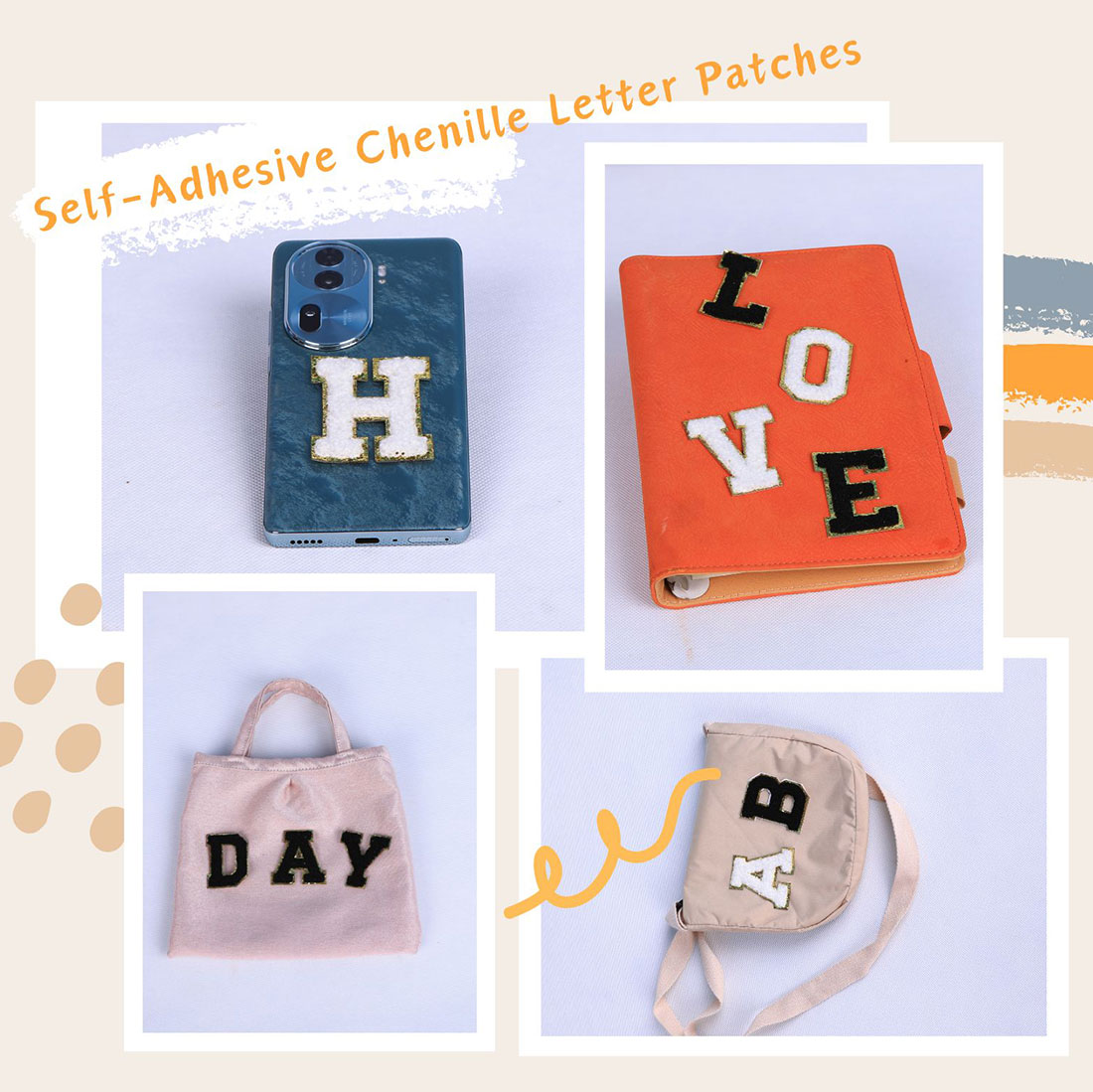
Indigenous weaving is both heritage and livelihood. Compare it with Pacific fiber arts in our Pacific threads guide, and keep exploring the World Embroidery Series. Wear your own emblem with chenille letter patches.