A Crossroads Stitched in Silk
North Africa is where three worlds overlap - the Mediterranean shore to the north, the Sahara to the south, and the Islamic heartland to the east. Its embroidery carries all three. Urban ateliers in Morocco refined silk on linen into courtly art, while the nomadic Tuareg turned leather, camel harness, and indigo cloth into a moving embroidered culture of the desert.
Morocco's City Needle
Moroccan embroidery is famously regional. Fes and Meknes produced fine silk floss on white or cream linen; Rabat gave the world its celebrated "Rabati" blue-and-white (and later red) embroidery, worked in satin stitch with disciplined geometric borders. Tetouan and Chefchaouen kept Andalusian motifs - pomegranates, vines, and eight-pointed stars - carried south by Muslims and Jews expelled from Spain after 1492. These stitches decorated caftans, wedding blankets (handira), and the linens of a household's best room.
The Tuareg: The Blue People
The Tuareg, a Berber (Amazigh) people of the central Sahara, are called the "Blue People" for the indigo that rubs from their dyed veils (tagelmust) onto the skin. Their embroidery is leatherwork as much as thread: tooled and stitched camel saddles, goat-hair tent panels, and sword scabbards, often marked with Tifinagh, the ancient Amazigh script. The veil itself is the supreme garment - wrapped, re-dyed, and handed down as a mark of adulthood and dignity.
History: Before and After the Conquest
Amazigh fiber arts predate Islam in the Maghreb by millennia; Berber women's woven and embroidered symbols encoded tribe, status, and protection. The Arab arrival in the 7th century layered Arabic calligraphy and Islamic geometry onto older motifs. Under Ottoman influence and later French colonial rule, urban embroidery was formalized into workshops and export goods, while Jewish embroiderers in the mellah quarters kept delicate gold-thread traditions alive until the mid-20th century.
How the Needle Traveled (Liu Zhuan)
The Sahara was never a wall but a highway. Caravan routes moved indigo, silk, and motif south to sub-Saharan Africa and north to the Mediterranean. Colonialism carried Moroccan embroidery to French fashion houses; independence and the Amazigh cultural revival brought it back as a badge of identity. Today women's cooperatives in the Atlas Mountains and the Sahara sell directly to the world, and the Tuareg veil has become a global symbol of desert resilience.
Today
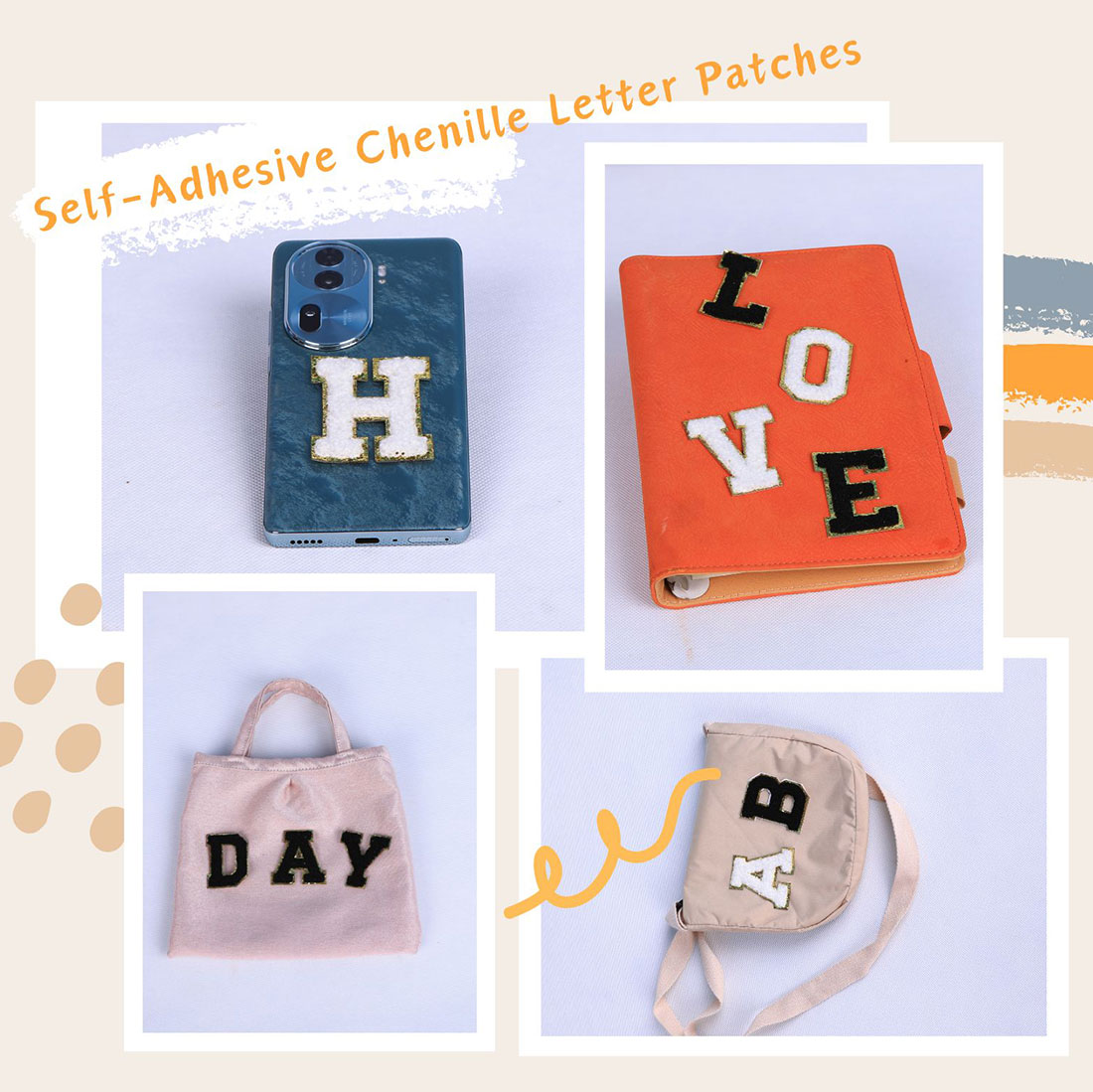
Morocco protects its regional styles as heritage, and designers reinterpret them on the runway. Read about the overland routes that fed this region in our piece on Zardozi and the Silk Road, and keep exploring the World Embroidery Series. Wear your own emblem with chenille letter patches.