The Needle Comes Back
For most of the 20th century, embroidery was treated as a fading domestic hobby. In the 21st, it has exploded back - as climate crisis, burnout, and a hunger for the handmade converge. From Tokyo to London to Lagos, a new generation picks up the needle not to decorate a sampler but to mend, to protest, and to make art. Embroidery has become a verb for care.
Visible Mending as Protest and Care
Visible mending - patching a worn garment with bold, beautiful stitches instead of hiding the repair - turns consumption on its head. Brands and makers alike now celebrate the perfect imperfection of a mended jacket. Rooted partly in Japanese sashiko and boro (the peasant tradition of layering and reinforcing cloth), visible mending reframes damage as a story rather than a flaw.
Slow Fashion and the Maker Movement
The maker movement and slow fashion have made embroidery a cornerstone of sustainable dress. Kits, online workshops, and community stitch nights reconnect people to where clothing comes from. This is the modern echo of Europe's whitework and sampler culture and its crewelwork - except now the point is longevity, not status.
Embroidery as Contemporary Fine Art
Artists use thread on fabric as a gallery medium - embroidering maps of grief, political slogans, and hyperreal portraits. Thread's softness becomes a tool for hard subjects. The humble domestic stitch, once dismissed as women's work, now hangs in biennials.
History: From Domestic Craft to Global Movement
Embroidery's prestige rose and fell with industrialization: prized in the pre-machine age, devalued as mass production arrived, and reclaimed in the digital age as an antidote to it. The contemporary revival is less a return than a remix - old techniques bent to new ethics of repair, expression, and community.
How the Needle Traveled (Liu Zhuan)
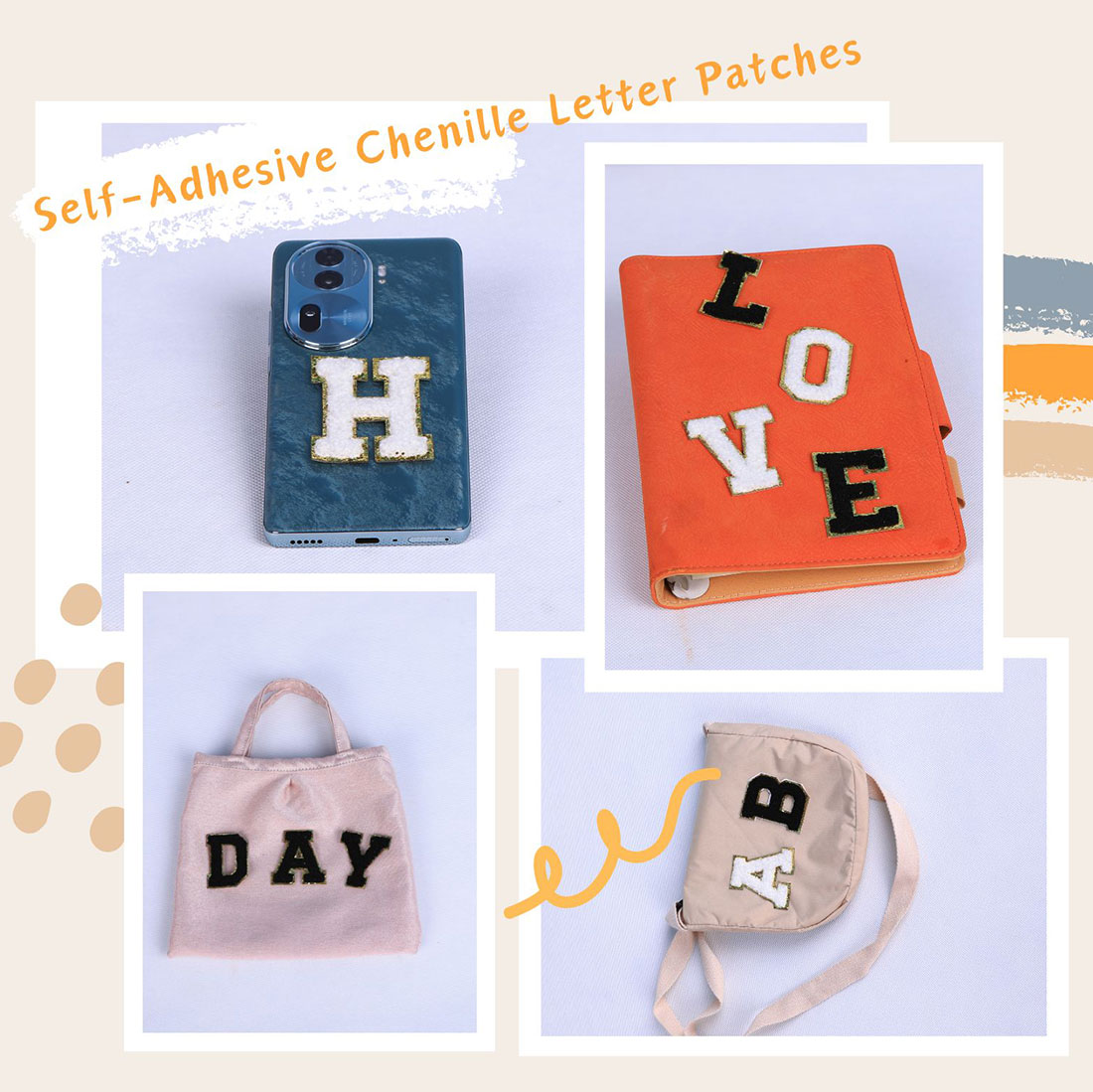
Contemporary embroidery travels at the speed of the internet - patterns, protests, and portfolios shared globally in a day. Its techniques borrow openly from Japanese boro, European whitework, and every tradition in this World Embroidery Series. The diaspora of makers is now borderless. Keep exploring the Series, and wear your own emblem with chenille letter patches.