
Some of the most joyful embroidery on earth was never made for palaces. It was made at the kitchen table — to warm a bed, to celebrate a festival, to record a village's stories. Three traditions capture this folk spirit beautifully: Kantha of India and Bangladesh, Tenango of Mexico, and Kalocsa of Hungary. Different continents, same impulse: ordinary thread, extraordinary life.
Folk Embroidery, Rooted in Daily Life
Folk (or naive) embroidery is defined less by technique than by purpose. It is made by and for a community, passed by eye rather than by pattern book, and freer than court embroidery. The three below each turned simple materials — old saris, borrowed wool, cotton floss — into art that now hangs in museums.
Kantha — India's Running-Stitch Quilts
In Bengal (eastern India and Bangladesh), Kantha is the art of the running stitch. Women layered old saris and dhotis and quilted them with continuous lines of running stitch, filling the whole surface with motifs — lotuses, fish, birds, domestic scenes, even folktales. A nakshi kantha (figured kantha) can read like a comic strip of a woman's life. Once purely recycled blankets, Kantha is now prized worldwide for its improvisational beauty and its zero-waste ethos.
Tenango — Mexico's Vibrant Storycloth
Tenango embroidery comes from the Otomi (Nahnu) communities around Tenango de Doria in Hidalgo, Mexico. Born in the mid-20th century as a way to earn income during hard times, it exploded into a global fantasy embroidery style: a black or bright cloth covered edge to edge with vividly colored, outlined animals and plants — deer, birds, flowers, and mythical creatures — set in symmetric, almost surreal gardens. Tenango turns textiles into dense, joyful worlds.
Kalocsa — Hungary's Painted Flowers in Thread
The town of Kalocsa on the Danube is famous for a folk embroidery of brilliant, stylized flowers — tulips, roses, and carnations — worked in satin and chain stitch, often outlined in black, on white or bright backgrounds. Kalocsa's look is so iconic it spread to painted furniture and Easter eggs. The flowers are not botanical studies but joyful emblems of home and harvest, stitched onto blouses, pillowcases, and table linens.
What Folk Traditions Teach the Modern Maker
All three remind us that you do not need expensive materials or formal training to make something lasting. A scrap of cloth and a willingness to repeat a stitch is enough. And if you want a faster way to personalize fabric with bold, graphic impact, chenille patches deliver that folk-art punch in seconds.
Add folk-art punch in seconds
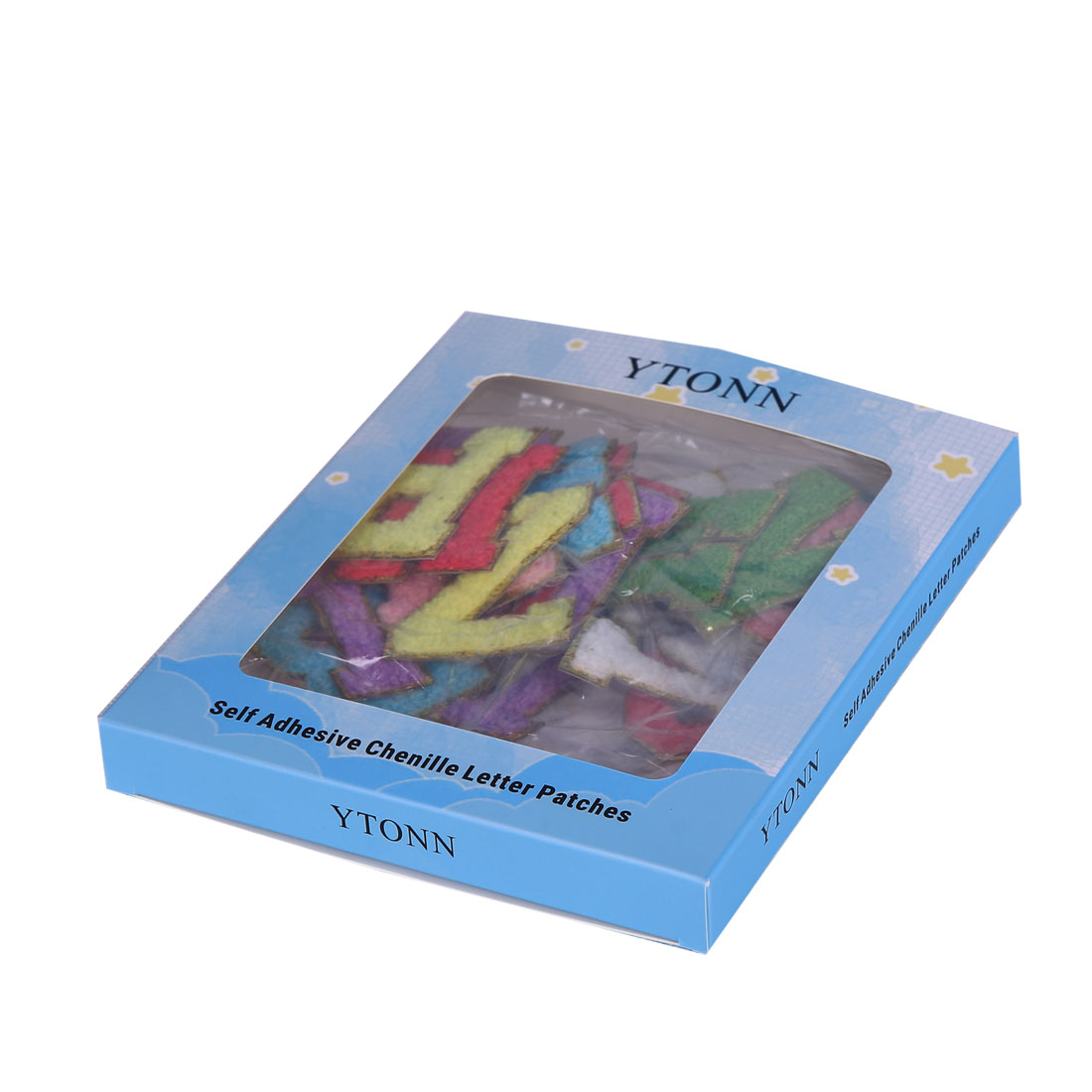
Bring bold, graphic energy to your gear with YTONN's 52-piece chenille letter patch set — self-adhesive, iron-on A to Z appliques. Explore the DIY and craft patch collection.
Conclusion
Kantha, Tenango, and Kalocsa prove that the most communal embroidery is often the most alive. Pick up a needle — or a patch — and add your own chapter. See our embroidery journal for more.
