
China gave the world silk — and with it, one of the deepest embroidery traditions on earth. For more than two thousand years, Chinese needleworkers turned silk thread into birds, blossoms, mountains, and myths. Out of this vast heritage, four regional styles became so refined and so distinctive that collectors and makers simply call them the Four Great Embroideries: Su (Suzhou), Xiang (Hunan), Shu (Sichuan), and Yue (Guangdong). This guide walks through what makes each one special — and why their spirit still belongs in modern DIY.
A Shared Heritage of Silk and Thread
Chinese embroidery is documented as far back as the Zhou dynasty (roughly 1000 to 256 BCE), when patterned silk was already a marker of rank. By the Tang and Song dynasties, imperial workshops employed hundreds of embroiderers, and the craft split along regional lines as local silk, climate, and taste shaped different looks. What unites the Four Great styles is a devotion to fine, deliberate stitchwork and a love of natural imagery — but each region developed its own signature dialect of the needle.
Su Embroidery (Suzhou) — The Art of Fine Detail
From the gardens and canals of Suzhou near Shanghai, Su embroidery is prized above all for its delicacy. Su workers use extremely fine silk thread — sometimes split down to a single strand — to build up soft, almost painterly gradients. A classic Su piece can show a cat's fur or a goldfish's scales with uncanny realism, using tiny stitches and subtle shading rather than hard outline. It is the most famous of the four and the one most often collected as pure art.
Xiang Embroidery (Hunan) — Lifelike and Bold
Hunan's Xiang style leans into realism with confidence. Drawing on the region's lush landscapes, Xiang embroidery favors bold, saturated color and a slightly raised, textured surface. Its signature technique, the random stitch (luanzhen), lets a worker layer threads in mixed directions to capture the sheen of an animal's eye or the flicker of a tiger's coat. Where Su is whisper-fine, Xiang is confident and vivid.
Shu Embroidery (Sichuan) — The Oldest, the Boldest
Sichuan's Shu embroidery is the senior of the group, with roots in the Han dynasty and a reputation for durability. Shu is known for tightly packed, even stitching and brilliant color — especially its trademark two-sided embroidery, where a single fabric shows two completely different images on front and back, stitched so cleanly that neither side reveals the work behind it. Shu pieces were historically carried along the tea-horse roads as trade goods, which helped spread Chinese embroidery far beyond the homeland.
Yue Embroidery (Guangdong) — Gold, Dragons, and Luster
Down in Guangdong, Yue embroidery takes a more ornamental, festive turn. It is the boldest of the four in scale and the most likely to use gold and silver couched thread alongside silk, producing dragons, phoenixes, and peonies with a luminous, three-dimensional feel. Yue's padding technique builds raised relief under the thread, so designs seem to float above the cloth — a look that prefigures the dimensional, plush quality modern makers love in chenille embroidery.
Why These Traditions Matter for Makers Today
The Four Great Embroideries are not museum pieces. They are a reminder that embroidery is a language — of place, of patience, of personal mark-making — that anyone can pick up. You may not be splitting silk to a single strand, but the impulse is the same: take plain cloth and make it unmistakably yours. That is exactly what a chenille letter patch does in minutes instead of months.
Want heritage-inspired detail on your own gear?
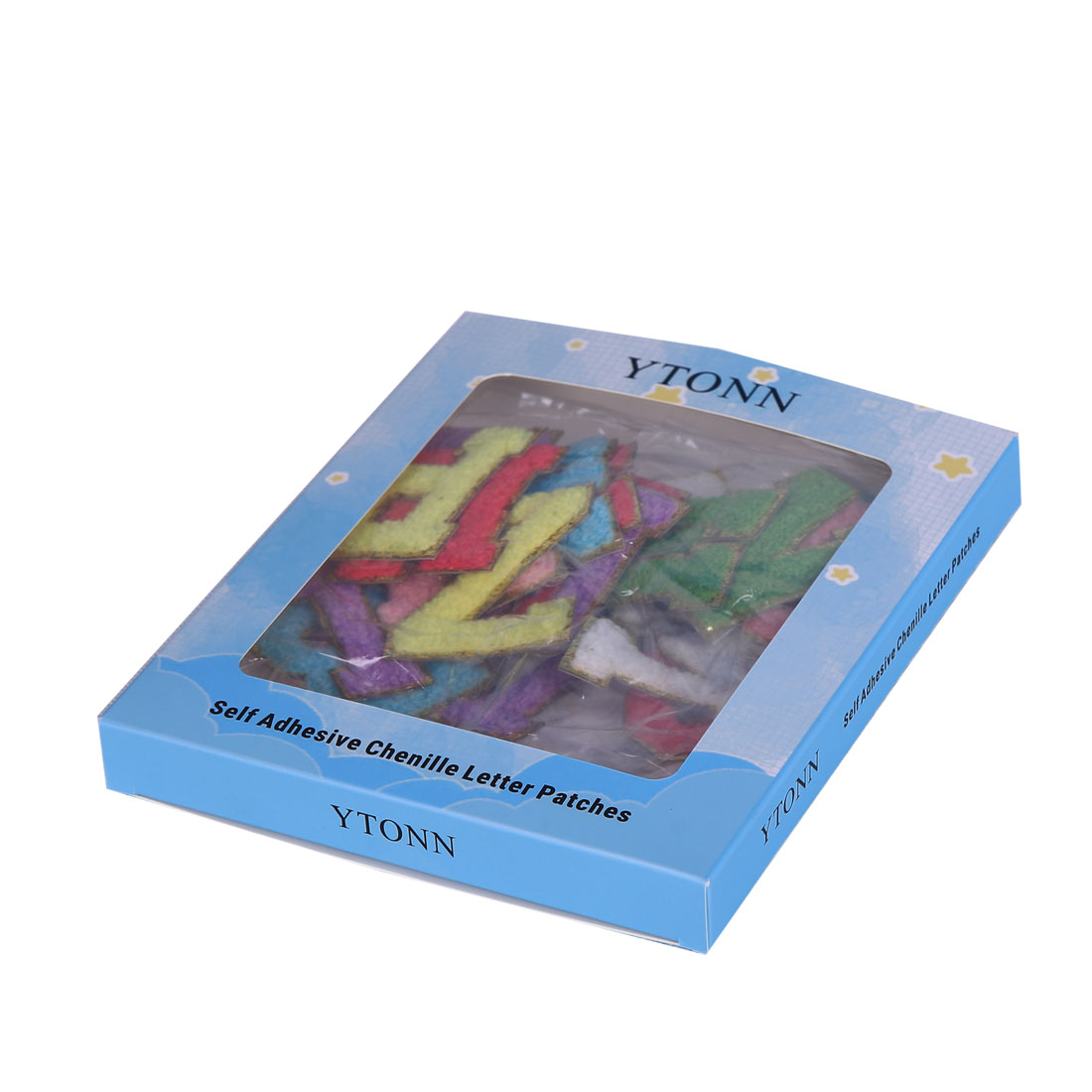
Start with YTONN's 52-piece chenille letter patch set — self-adhesive, iron-on A to Z appliques for jackets, hats, and jeans. Browse the full DIY and craft patch collection.
Conclusion
From Suzhou's whisper-fine cats to Guangdong's golden dragons, the Four Great Embroideries show how a single craft can flower into many dialects. The next stitch is yours. Explore our embroidery journal for more guides, and bring a little of that heritage to your next project.
