A Crossroads Carved in Stone
Jordan sits where Arabia meets the Levant, a land of Nabataean caravans, Crusader castles, and the rose-red city of Petra. For centuries the caravan routes made it a seam between desert and sown, and that in-between place shaped its needlework. Women’s dress became the canvas where tribal, village, and pilgrim identities were quietly recorded.
Bedouin Bands and the Cross-Stitch
Jordan’s signature work is Bedouin embroidery: dense cross-stitch bands of geometric motifs worked in madder red and indigo on dark dresses (thobe). Each region — from the south to the Balqa — had its own naqsh (pattern vocabulary), so a woman’s gown could name her home at a glance. The work was social and seasonal, done in circles of women between harvests.
From Madaba to the Hajj
Village traditions around Madaba and Salt absorbed Levantine and Hijazi (western Saudi) styles, softening Bedouin geometry with floral touches. The annual hajj brought Mekkah-made and imported textiles into homes, layering new colors over old. In the 20th century a heritage movement documented these patterns before they faded.
How the Needle Traveled
Jordan is part of the Levantine and Arabian web. Its cross-stitch rhymes with Palestinian tatreez, its regional logic with Syrian and Lebanese work, and its Gulf echoes with Omani and Gulf Arab embroidery. To follow the needle is to walk the caravan road.
Wear Jordan
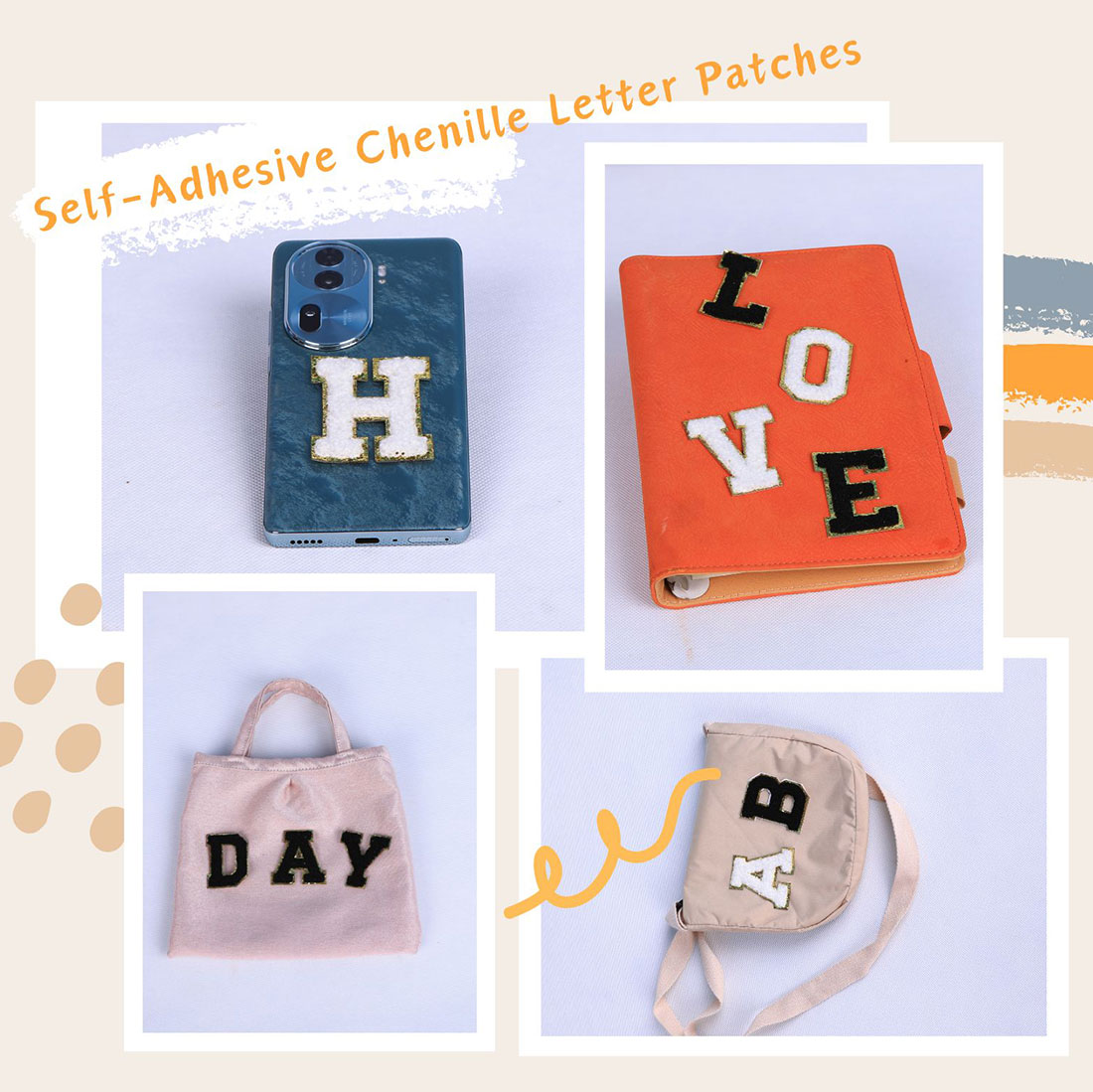
Love a tradition? Wear it — each motif has a patch to match. Explore our embroidery patch collection and carry a thread of Jordanian heritage with you.