A Crossroads of Cloth
The Levant - Syria and Lebanon above all - sits where Asia meets the Mediterranean. Its embroidery reflects that position: urban silk luxury alongside village cross-stitch, all carried outward by one of the world's great diasporas.
Damascus Silk and Urban Luxury
Damascus was historically a center of silk weaving and embroidery, producing fine robes and furnishings in the Ottoman manner (see our Byzantine and Ottoman embroidery). Lebanese and Syrian Christian and Muslim communities alike developed gold-thread and silk traditions for bridal and ecclesiastical use.
Village Cross-Stitch
In the villages, women embroidered dresses (thobes) and household linen in cross-stitch, using regional palettes - Lebanon's red-and-black, Syria's vivid mixed colors. Motifs included the cedar of Lebanon, stars, and fertility symbols, each village with its own dialect of pattern, much like the better-known Palestinian tatreez of the south.
History: Ottoman, Colonial, Dispersal
Levantine embroidery developed under Ottoman rule, with later French mandate influence and 20th-century nationalism. The upheavals of the mid-20th century - war, displacement, and mass emigration - scattered Levantine communities across the Americas, Europe, and the Gulf, turning embroidery into a portable homeland.
How the Needle Traveled (Liu Zhuan)
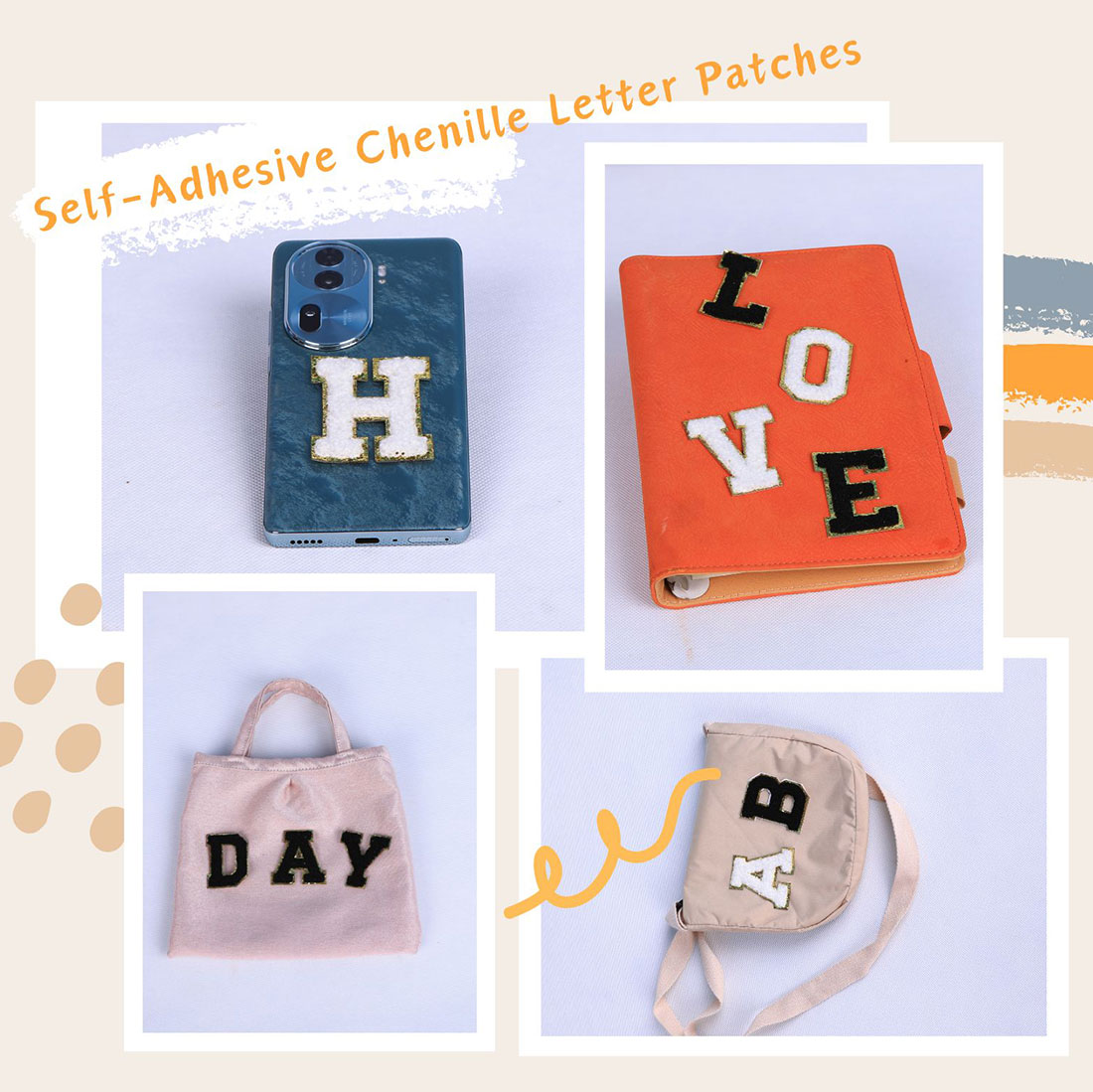
The Levantine diaspora carried its cross-stitch and silk tastes to Brazil, Mexico, the US, and West Africa (see our Iberian to Latin American embroidery), while trade linked it to North Africa (our North African embroidery) and the Silk Road oasis cities (our Samarkand guide). Today Levantine embroidery is revived as both heritage and fashion. Keep exploring the World Embroidery Series. Wear your own emblem with chenille letter patches.