Oceania's Quieter Threads
The Pacific is vaster than most maps suggest, and its needlework reaches far beyond the famous Maori, Samoan, and Hawaiian work. In Tonga, Fiji, and the scattered atolls of Micronesia, cloth and thread carry a distinct Oceanic grammar — bark beaten into cloth, then rubbed and stitched into pattern; lavalava wrapped and embroidered for daily and ceremonial life. This is the western and northern Pacific, a neighbor to the Australian Aboriginal fiber world and a cousin to the broader Indigenous American bark-and-fiber traditions.
Tongan Ngatu and the Rubbed Cloth
In Tonga, ngatu (tapa, or bark cloth) is made by beating mulberry bark, joining the sheets, and rubbing patterns with fermented bark dye through carved boards — then often embellished with stitched or painted registers. Ngatu is wealth, gift, and archive: presented at weddings and funerals, it records genealogy and event. The rubbing technique is unique to Polynesia and unmistakably Tongan.
Fijian Masi and Micronesian Lavalava
Fiji's masi (also bark cloth) carries stenciled and freehand geometric designs in brown and black, used in ceremony and exchange; Micronesia's atolls contributed the lavalava (wrapper) and fine embroidered and crocheted work, with patterns that identify island and clan. Together they form the western Pacific's cloth language — softer and more geometric than the Maori weaving to the southeast.
History: Voyage, Colony, Revival
These traditions descend from the Lapita voyagers who settled the Pacific thousands of years ago; bark cloth and wrapper embroidery were stabilized and sometimes commercialized under European and Christian influence, and declined before a strong late-20th-century cultural revival. Today ngatu and masi are national symbols of Tonga and Fiji, worn and gifted with pride.
How the Needle Traveled (Liu Zhuan)
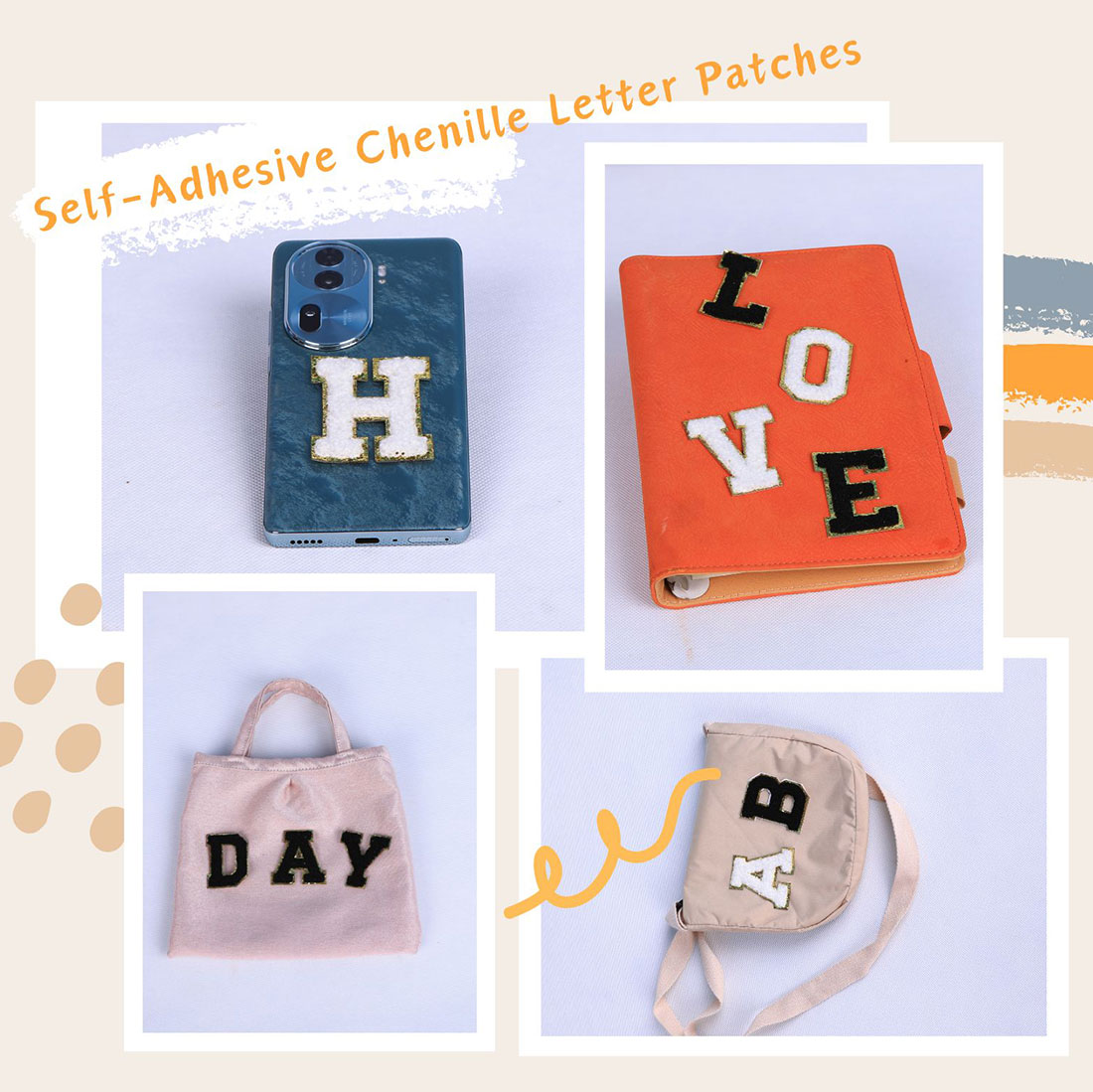
Pacific motifs traveled with the Lapita voyage across the ocean, with Christian mission cloth into new ceremonial uses, and with the diaspora (Tongans and Fijians are among the most mobile Pacific peoples) into New Zealand, Australia, and the US. Its Oceanic grammar links to our Maori-Samoan-Hawaiian guide and the Australian Aboriginal fiber world. Keep exploring the World Embroidery Series. Wear your own emblem with chenille letter patches.