A Garden Stitched in Silk
When people think of Persian needlework they often picture Zardozi's gold. But Persia - Iran - had a quieter, equally refined embroidery tradition built on silk floss and the Persian love of the garden (chahar bagh). From the Safavid courts of Isfahan to village weddings, the needle translated fields of tulips, cypress, and nightingales into cloth.
Safavid Court Embroidery
Under the Safavids (16th-18th centuries), court workshops produced sumptuous silk embroideries - robes, hangings, and coverlets - in the same floral and figurative vocabulary as the era's tilework and manuscript painting. These pieces rivaled the great textiles of Ottoman and Mughal India, and many survive in museum collections as medallions of a golden age.
Rasht and Golabduzi
In the Caspian region, the city of Rasht became famous for Rasht embroidery - delicate chain and satin stitch in silk on cotton, often depicting birds and blossoms. Golabduzi ("rosework") names a related style of fine floral embroidery that decorates garments and household cloth across the north. Together they show a folk counterpoint to courtly gold.
History: Silk, Empire, and Exchange
Persia sat at the heart of the Silk Road, both a producer of silk and a conduit of patterns between China, India, and the Mediterranean. The Safavid state monopolized silk and patronized the arts, while later Qajar and Pahlavi periods kept embroidery alive as both court craft and rural livelihood. Twentieth-century modernization and exile dispersed the knowledge, but it never disappeared.
How the Needle Traveled (Liu Zhuan)
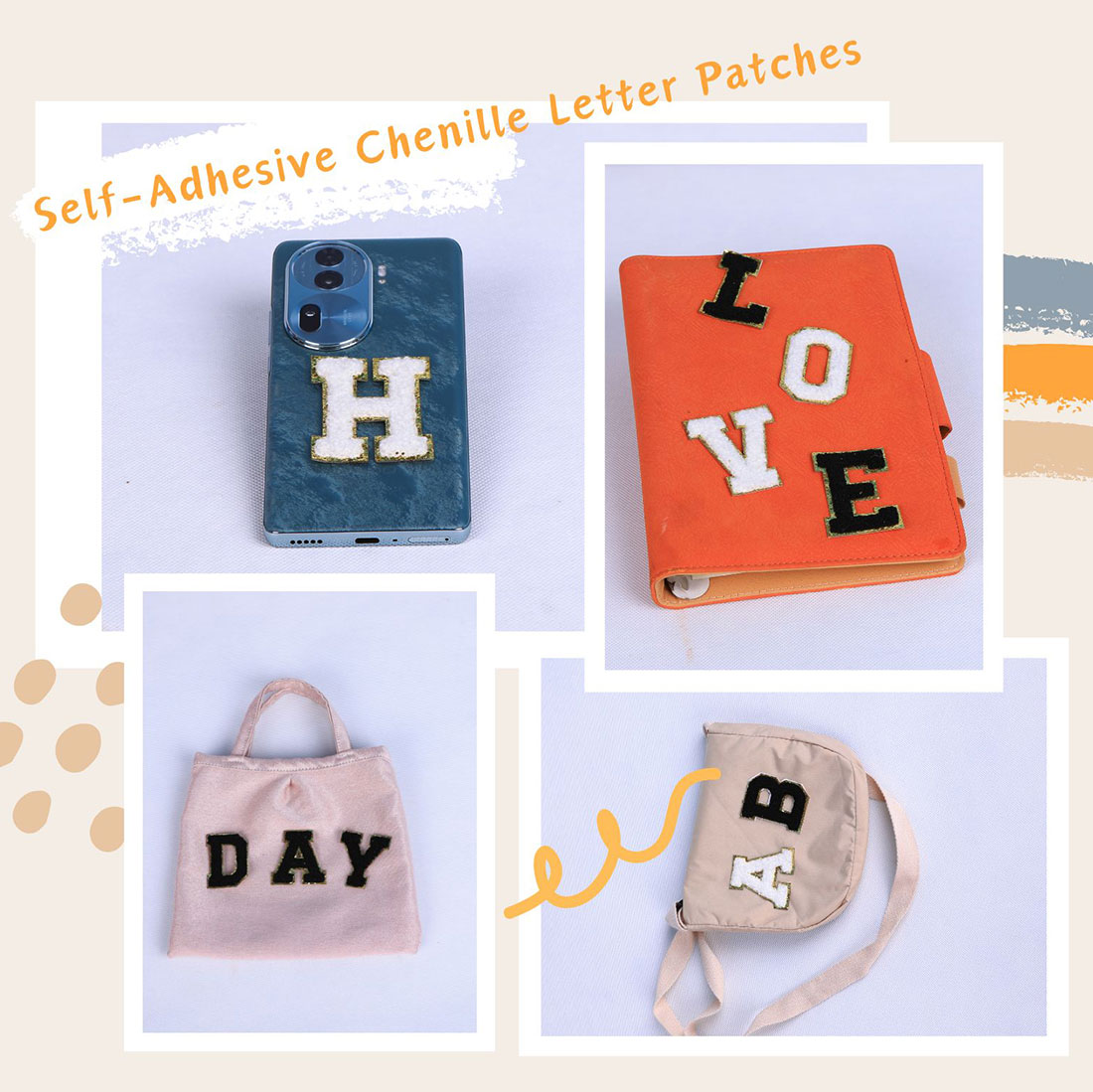
Persian patterns traveled with merchants and migrants - into the Ottoman world (see our Byzantine and Ottoman embroidery), the Mughal court, and the oasis cities of Central Asia (our Silk Road oasis embroidery). The Iranian diaspora of the late 20th century carried Safavid motifs to Europe and North America as heritage. Its golden sibling is our Zardozi and the Silk Road guide. Keep exploring the World Embroidery Series. Wear your own emblem with chenille letter patches.