
Long before visible mending became an Instagram trend, Japanese farmers and fishermen were reinforcing their work clothes with a humble running stitch called sashiko (literally little stabs). What began as practical repair evolved into one of the world's most quietly beautiful embroidery traditions — rhythmic white stitches on deep indigo, math-like in their calm. This is the story of sashiko, its cousin boro, and why the look fits perfectly into a modern maker's toolkit.
From Field Coats to Fine Art
Sashiko developed in northern Japan, especially the Tohoku region, where winters are harsh and cloth was precious. Layered stitches did double duty: they padded garments against the cold and held worn fabric together so a coat could last decades. The classic garment is the sashiko jacket, often sewn from scraps and covered in tiny white dashes. Over time the stitching stopped being merely functional and became a recognized aesthetic — a kind of wearable graph paper.
What Makes Sashiko Distinctive
Two things define sashiko's look. First, the contrast: white or off-white cotton thread on a dark indigo-dyed ground. Second, the rhythm: even, slightly overlapping running stitches, usually worked with a long needle and a palm thimble so the hand can pump many stitches at once. Traditional sashiko uses only a handful of pattern families — waves (seigaiha), hemp leaves (asanoha), and interlocking diamonds — yet the combinations feel endless.
boro: Mending as Philosophy
You cannot tell sashiko's story without boro (rags). Where sashiko is the stitch, boro is the result of generations of mending: heirloom cloth patched so many times it becomes a soft, layered collage. Far from shameful, boro is now celebrated as a philosophy of mottainai — a reluctance to waste — and of finding beauty in repair. It is the ancestor of today's make do and mend movement.
Hitomezashi and Patterns
A related style, hitomezashi (one-stitch sashiko), pre-grids the cloth so each stitch lands on a point, producing crisper, more geometric motifs — perfect for decorative towels and children's kimono. Whether you choose free-form sashiko or gridded hitomezashi, the meditative repeat is the point: it is embroidery you can do while thinking about something else.
Bringing Sashiko Spirit to Modern DIY
The sashiko lesson for today's maker is simple: repair is creative, not lesser. A worn elbow, a thin knee, a faded cuff is an invitation. And if you would rather add a bold initial than a field of tiny dashes, a chenille letter patch delivers that same this is mine statement in one step.
Ready to personalize your gear?
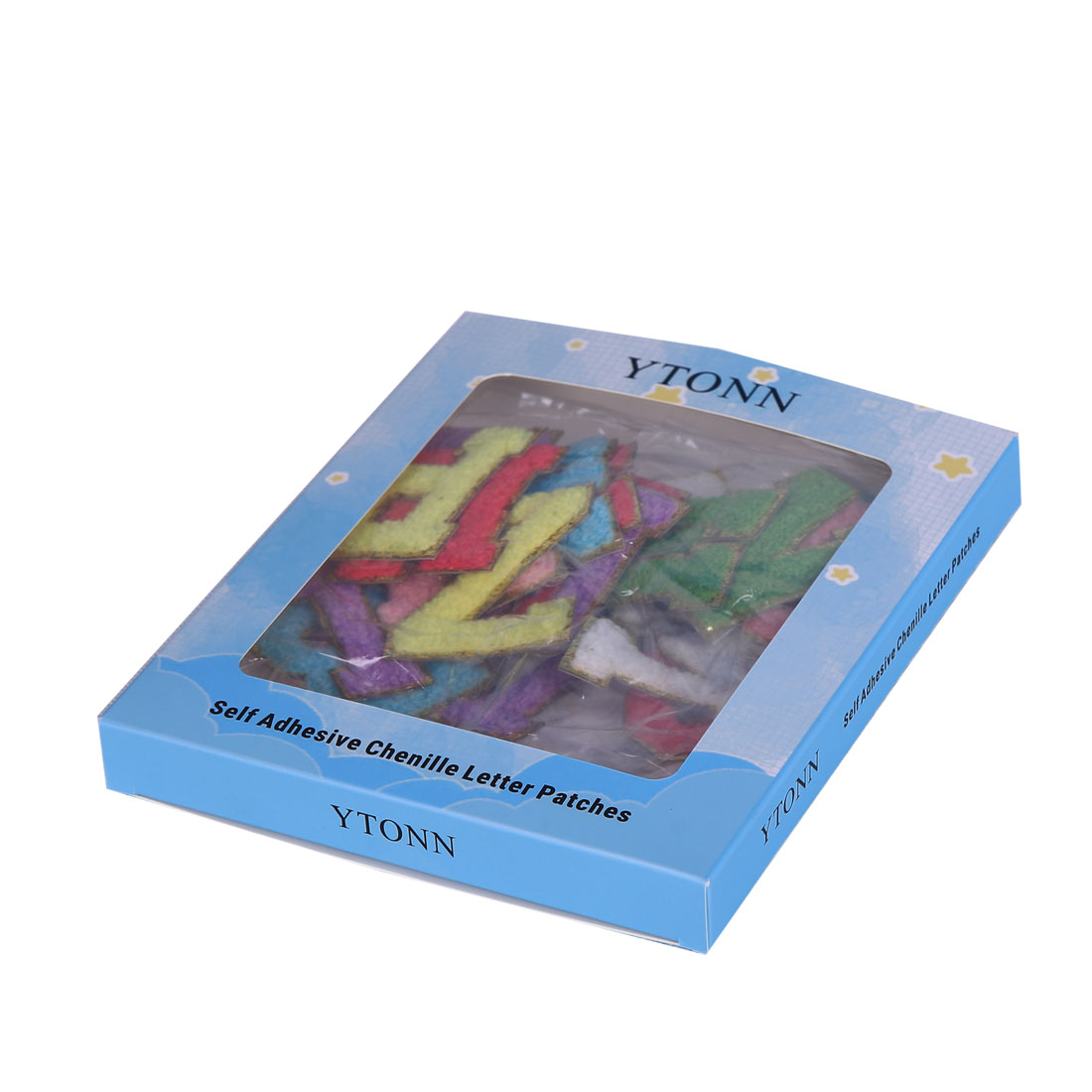
Pair the sashiko mindset with YTONN's 52-piece chenille letter patch set — self-adhesive, iron-on A to Z appliques for jackets, hats, and jeans. See the full DIY and craft patch collection.
Conclusion
Sashiko proves that the most restrained embroidery can be the most moving. Whether you stitch a thousand tiny waves or iron on a single gold-trim letter, you are joining a very old human habit: making the useful beautiful. More in our embroidery journal.
