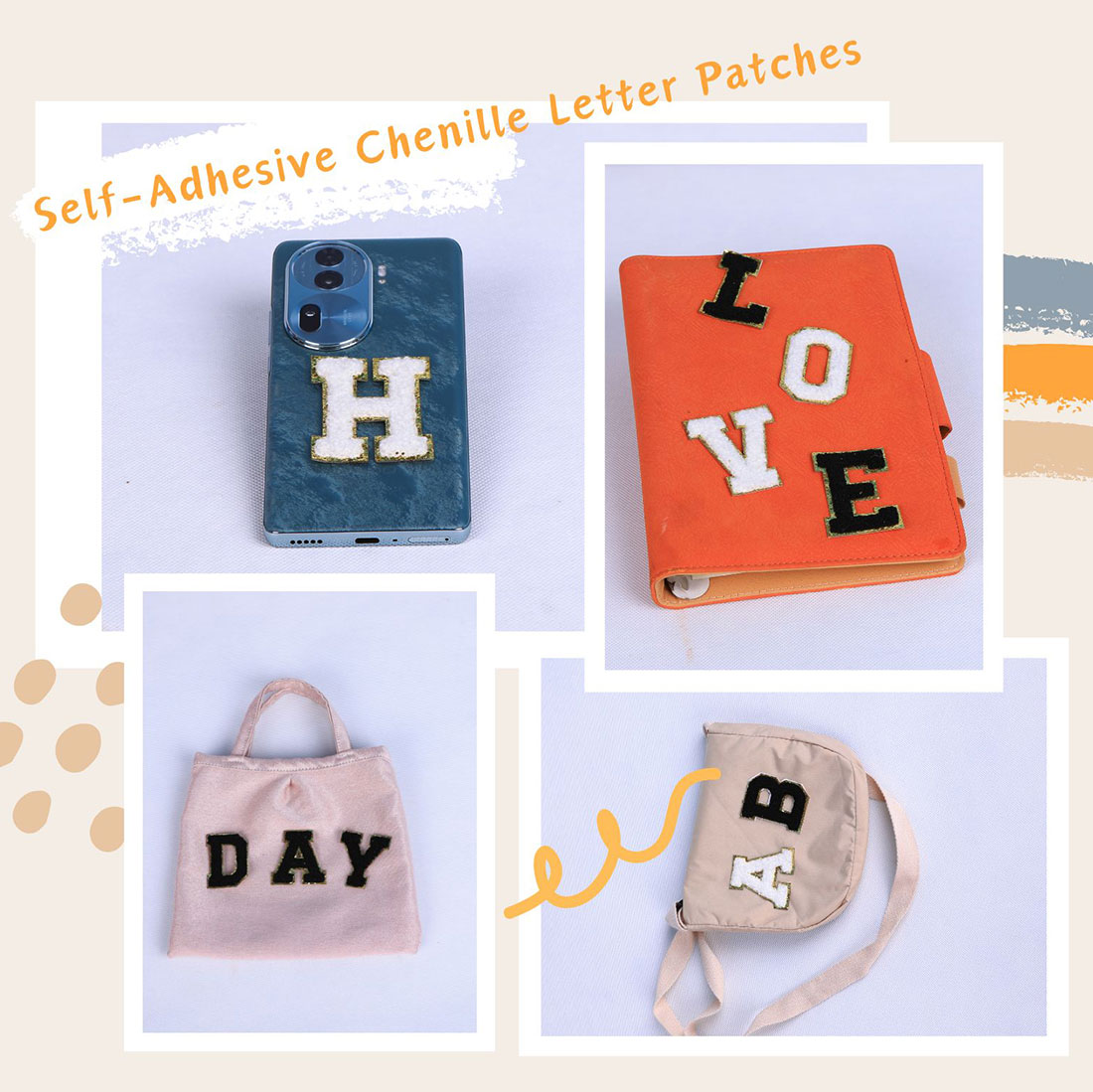
The honest answer: on cotton and denim, a well-applied iron-on patch lasts for years — often as long as the garment itself. People are usually surprised by this, because the word “iron-on” implies something temporary. It does not. The adhesive is a thermoplastic that flows into the fibre and forms a genuine bond that gets stronger for the first couple of days.
What changes the answer is not the patch but the fabric, the application, and the laundry routine. Here are the real numbers.
Lifespan by application method
| Method | Fabric | Expected life |
|---|---|---|
| Ironed + stitched | Any | Effectively permanent |
| Ironed, full press time | Cotton / denim / canvas | Years — often the life of the garment |
| Ironed, full press time | Polyester / fleece | 1–3 years |
| Ironed, full press time | Nylon / acrylic | 6–18 months |
| Self-adhesive only | Any | Months to a year |
| Self-adhesive only | Leather | Months |
| Sewn only | Any | Effectively permanent |
What determines how long a patch lasts
1. The application, by a wide margin
An under-pressed patch may last a fortnight; a properly pressed one lasts years. The variables are heat, time, pressure, and the barrier cloth. Use the iron-on temperature calculator and press for the full time your fabric needs.
2. The fabric
Cotton and denim have a fuzzy, absorbent surface that the adhesive flows into beautifully. Polyester and nylon are smooth and hydrophobic, so the bond is mechanical rather than chemical, and it ages faster.
3. The laundry routine
This is where most of the difference shows up over time:
- Cold water — keeps the adhesive solid.
- Inside out — protects the patch from mechanical stress.
- No fabric softener — a film that weakens adhesion over time.
- Low or no dryer heat — the biggest cause of long-term failure.
Full detail in how to wash patches and why patches come off in the wash.
4. Where on the garment it sits
A patch on a flat back panel and a patch on an elbow live very different lives. The elbow flexes thousands of times a day and the adhesive is working against that stretch the whole time. For high-wear positions — elbows, the seat of jeans, the bottom of a bag, the strap of a backpack — stitch the patch down. That is the single most effective way to make a patch permanent.
5. How often it is worn and washed
Obvious, but worth stating: a patch on a jacket you wear every week and wash weekly will be tested far harder than one on a coat you wear in winter.
Why a patch can look old long before it fails
Wear is not failure. A chenille patch that has been on a jacket for two years will show:
- A slightly flattened pile. The chenille loop compresses a little under friction and pressure. This is normal and does not affect the bond.
- Some colour transfer from the garment. Indigo from denim, or dye from a coloured jacket, works into the pile over time.
- Edges that have lifted minutely. Fabric moves. A patch that has been washed fifty times and still needs no attention is working exactly as intended.
None of these mean the bond is failing. If the patch is still attached after two years of washing, it is doing its job.
Making a patch last as long as possible
- Press it properly the first time. Full heat, full time, barrier cloth, 30 seconds of cooling.
- Wait 48 hours before the first wash.
- Wash cold, inside out, gentle cycle, mild detergent.
- Skip fabric softener and dryer sheets, permanently.
- Dry low or air dry. Never high.
- Close zips and fastenings before washing — a snag lifts corners.
- Stitch it down on high-wear areas. A needle and thread take thirty seconds and add years.
- Do not iron over it when pressing the garment for other reasons.
When to replace rather than repair
Replace a patch when the chenille pile is worn flat, the gold trim has frayed or tarnished beyond saving, or the adhesive is dead and will not hold even a re-press. At that point, a fresh patch will look far better than a re-pressed old one. Our removal guide covers getting the old one off cleanly.
And if you want a genuinely long-term result, sew it. That is why our leather guide recommends stitching — on a jacket you care about, thirty seconds of sewing is worth a decade of worry.
Frequently asked questions
How long do iron-on patches last?
On cotton and denim with a full press and correct care, years — often the life of the garment. On polyester expect 1-3 years, on nylon or acrylic 6-18 months, and on self-adhesive only, months to a year. Ironed and stitched is effectively permanent.
Do iron-on patches wash off easily?
No. A correctly applied iron-on patch does not come off in the wash. Patches fail when they were under-pressed, washed within 48 hours, washed hot, or dried on high heat. Wash cold, inside out, and dry low.
How do I make a patch last longer?
Press it properly the first time with the full time your fabric needs, wait 48 hours before washing, then always wash cold and inside out with no fabric softener and dry on low. On high-wear areas such as elbows or bag bottoms, stitch the patch down for a permanent result.
Does the chenille pile wear out?
The pile compresses slightly with friction and picks up a little of the garment’s colour over time, which is normal wear rather than failure. As long as the patch is still attached, the bond is working.
Can I extend the life of a patch by sewing it?
Yes. Adding a few stitches around the perimeter of a heat-bonded patch makes it effectively permanent, because the stitching carries the load that the adhesive would otherwise have to take. This is the recommended approach for elbows, the seat of jeans, and bag bottoms.
When should I replace a patch instead of repairing it?
When the chenille pile is worn flat, the gold trim has frayed or tarnished beyond saving, or the adhesive no longer holds even after a re-press. A fresh patch will look considerably better than a re-pressed old one.
Shop the A–Z chenille letter sets
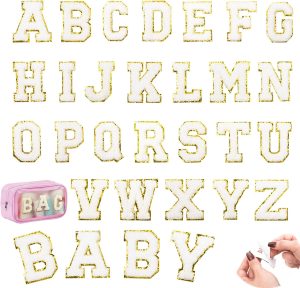
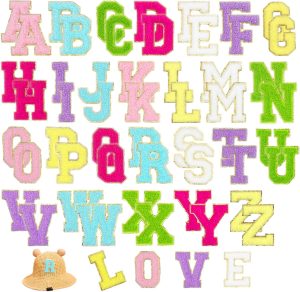
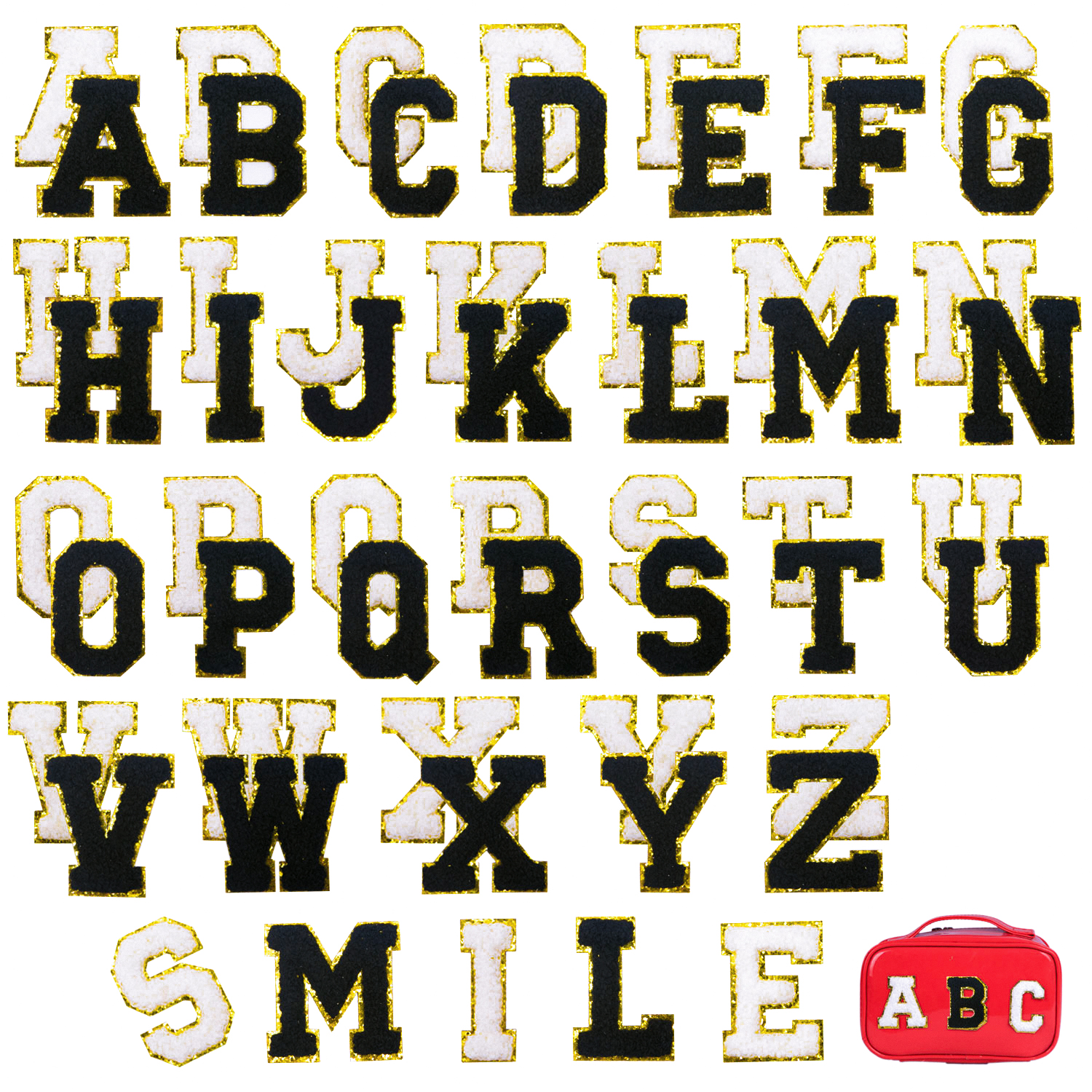
Every set is dense dimensional chenille with a metallic gold embroidered border, a strong self-adhesive backing, and an iron-on layer for permanence. Pick the size that fits your project.
Related reading
- Patch care and troubleshooting — the full hub for lifting, peeling, staining and removal.
- The complete patch application guide — get it right the first time.
- Iron-on temperature calculator — pick your fabric, get the exact heat setting and press time.
- Do patches come off in the wash? — the six real reasons patches fail.