Removing an iron-on patch is easier than most people expect, and much easier than removing a sewn or glued one. The important thing is to resist the temptation to use heat — it feels like the obvious shortcut, and it is exactly the wrong move on most fabrics.
This guide covers the four removal methods, what each one is safe on, and how to clean up the adhesive and any marks left behind.
Method 1: peel it off cold (best for most cases)
Iron-on adhesives are thermoplastic. Cooled down, they are rigid and release cleanly from most fabrics. Heat does the opposite — it softens the adhesive so it flows deeper into the fibres, which makes the residue worse and the removal harder.
- Make sure the garment is completely cold. If you just wore it or just ironed it, let it hang for a while. Cold is not a detail here, it is the entire method.
- Find a corner and lift it slightly with a fingernail or a plastic card. Do not use a metal tool — it will mark the fabric.
- Peel slowly, at a low angle, in the direction of the weave. Pulling straight up, or quickly, is what tears the fabric.
- Keep the angle shallow. The flatter you keep it against the garment, the less it pulls on the fibres.
- Work in small sections. If it starts to resist, stop, press the area with a cold iron to re-flatten the fibres, and continue from a new corner.
Method 2: the cold iron and cloth trick
When a patch will not peel by hand, you can soften it just enough to release — but only slightly, and only with a cold or barely warm iron, and only on fabrics that tolerate it.
- Place a thin cotton cloth over the patch.
- Use an iron set to its lowest setting, or a hairdryer on cool.
- Apply it for just five seconds — long enough for the adhesive to become slightly pliable, not long enough to flow.
- Lift the edge with a fingernail immediately and peel slowly.
Do not do this on leather, suede, or any synthetic that can glaze. On those fabrics, heat causes permanent damage that has nothing to do with the patch.
Method 3: adhesive remover (for residue)
Once the patch is off, there is usually a faint residue. For cotton and denim:
- Isopropyl alcohol on a cloth, dabbed rather than rubbed. Check the fabric for colourfastness first.
- Adhesive remover gel (the type sold for removing sticky labels) — effective but test on a hidden area, as some solvents affect dyes.
- White vinegar diluted with water, for a gentler option on light fabrics.
- Then a normal cold wash to clear the last of it.
Method 4: remove a sewn patch
Straightforward, but you will be left with needle holes. Use a seam ripper or sharp small scissors, cut the thread from the inside, and work slowly so you do not snip the fabric.
To close the holes visually, work a thread of the same colour through them with a needle, or use a slightly darker thread to make them read as intentional. On a heavily worn garment the holes usually disappear into the wear anyway.
What NOT to do
| Avoid | Why |
|---|---|
| Hot iron or hairdryer to remove | Softens the adhesive deeper into the fibres, making residue worse |
| Pulling straight up | Takes the surface of the fabric with it |
| Metal scrapers or knives | Cuts or abrades the fabric |
| Any heat on leather or suede | Permanently alters the hide or flattens the nap |
| Solvents on synthetics without testing | Can melt or discolour the fabric |
| Forcing a dried-out patch | Old adhesive is brittle and tears the fabric |
Removing patches from leather
Leather is the hardest case and needs the most care:
- Peel very slowly at a low angle, cold. Anything faster will take the surface with it.
- For residue, use a leather-safe cleaner (a product made for leather, not a general solvent). Dab, never scrub.
- Never use heat. Heat sets the adhesive into the hide permanently.
- Expect a slight shadow where the patch protected the leather from sun and wear. This fades over a few months of exposure.
- If the patch was sewn on, unpick the stitches and accept the small holes.
Removing patches from synthetics
- Peel cold, at a low angle.
- For residue, use isopropyl alcohol only. Do not scrape — polyester and nylon fibres are easily damaged.
- Do not use a hairdryer, even on cool, as the airflow can abrade the pile.
After removal: can you patch that spot again?
Yes, but treat it as a fresh surface:
- Clean any residue off completely.
- Let the area dry fully.
- Press the fabric flat with an iron (no patch present) to smooth out any distortion from the removal.
- Apply the new patch with the full method — clean, dry, correct temperature, full press time, barrier cloth, 30 seconds of cooling.
The full application method is in our patch application guide.
Removing a patch you no longer want, before it sets
If you have just applied a patch by mistake and it is still within the 48-hour setting window, you have the easiest removal of all: the adhesive has not fully cured, so it will peel off cleanly with almost no residue. Just be careful to do it before you have worn or washed the garment.
Frequently asked questions
How do you remove an iron-on patch?
Make sure the garment is completely cold, lift a corner with a fingernail or plastic card, and peel slowly at a low angle in the direction of the weave. Keep the angle shallow and work in small sections rather than pulling hard.
Can you use a hairdryer or iron to remove a patch?
Avoid heat. Heat softens the adhesive so it flows deeper into the fibres, which leaves worse residue and makes the next application harder. If a patch will not peel by hand, use a barely warm iron through a cloth for five seconds only, and never on leather or suede.
How do I get the sticky residue off?
On cotton and denim, dab with isopropyl alcohol on a cloth, then wash cold. Adhesive remover gel also works but test it on a hidden area first for colourfastness. On synthetics use isopropyl alcohol only and do not scrape.
Will removing a patch damage the garment?
Not if you peel slowly at a low angle while cold. Pulling straight up or quickly is what takes the surface of the fabric with it. On leather, expect a slight shadow where the patch protected the hide from sun and wear; it fades over a few months.
Can I put a new patch where an old one was?
Yes. Remove any residue completely, let the area dry, press the fabric flat with an iron to remove distortion, then apply the new patch with the full method. The old spot will bond just as well as any other area.
How do I remove a sewn-on patch?
Use a seam ripper or small sharp scissors to cut the thread from the inside. You will be left with small needle holes; you can work a thread of the same colour through them, or use a slightly darker thread so they read as intentional.
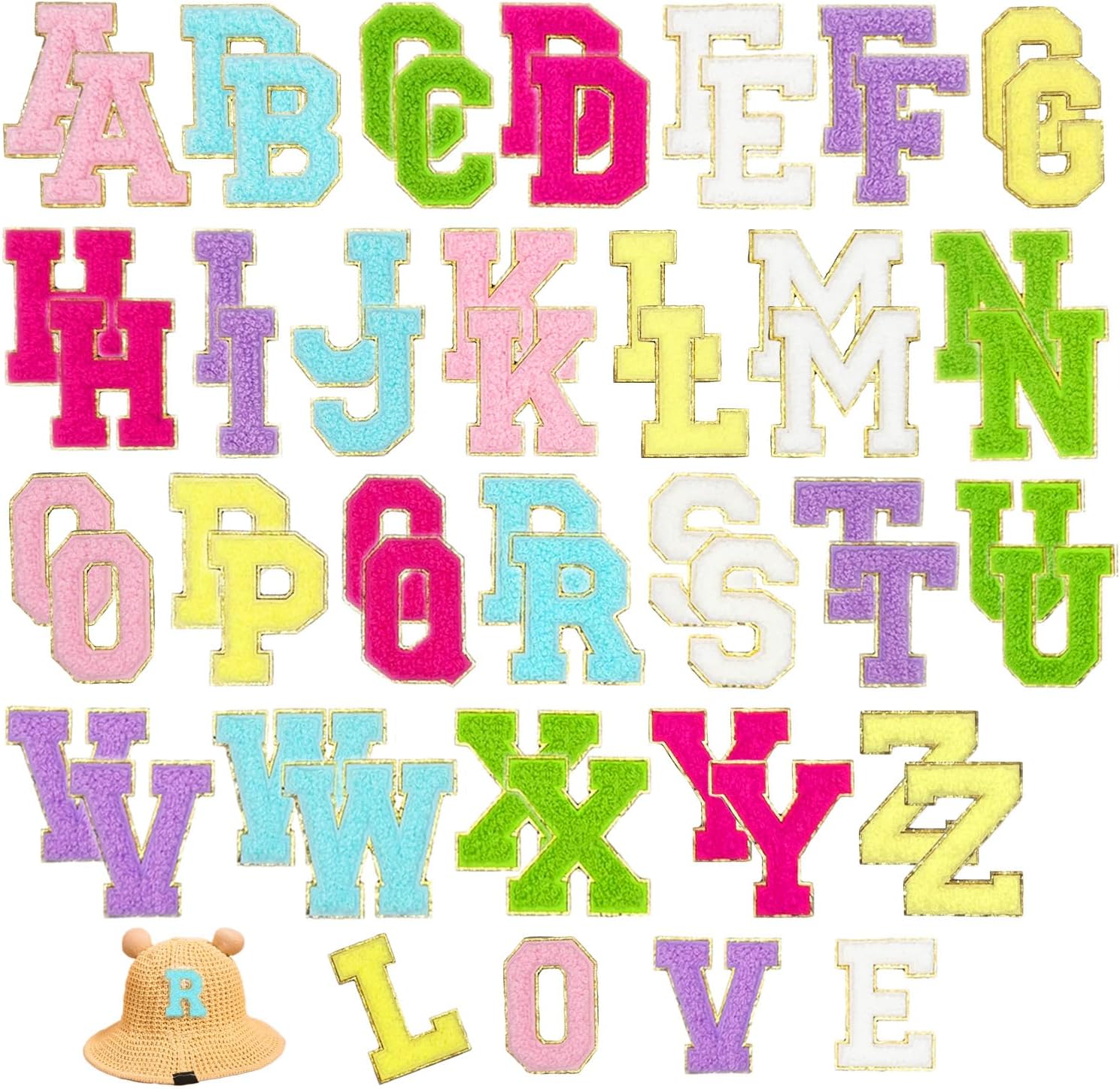
Shop the A–Z chenille letter sets
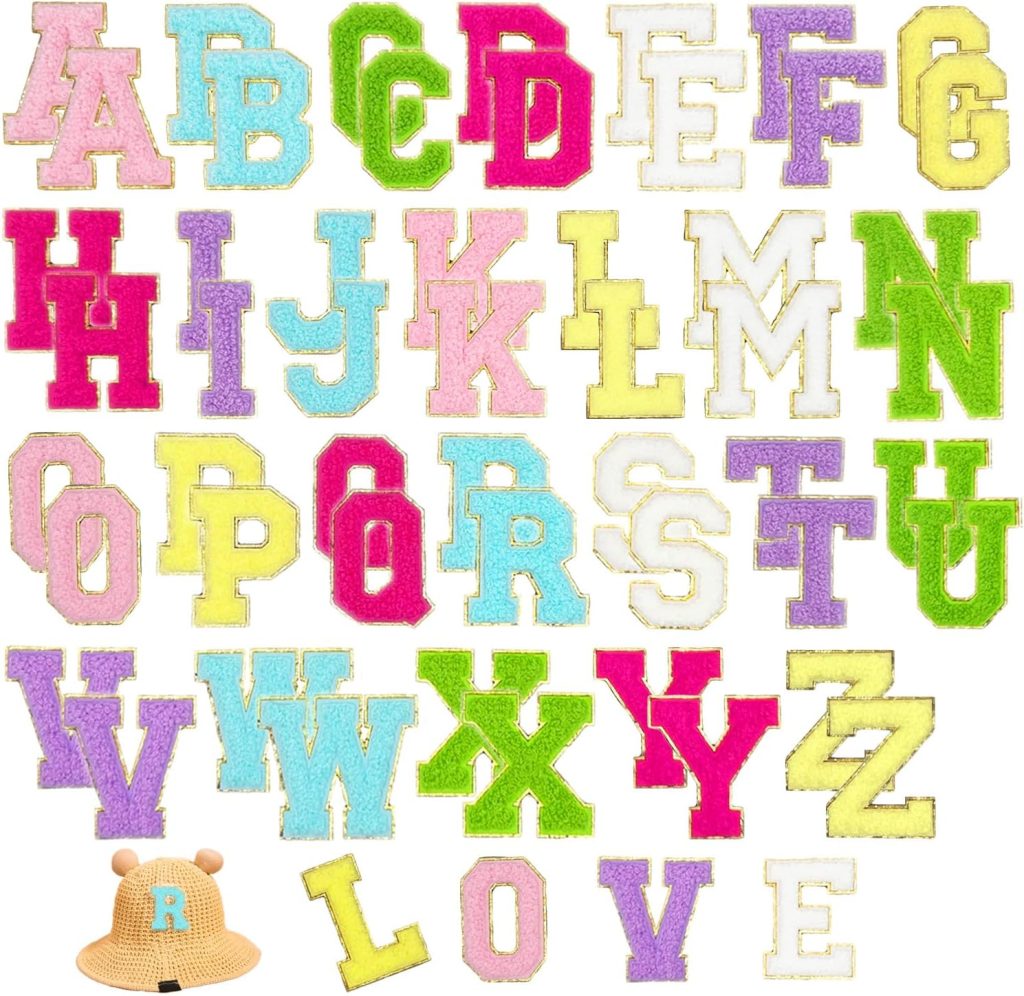
Every set is dense dimensional chenille with a metallic gold embroidered border, a strong self-adhesive backing, and an iron-on layer for permanence. Pick the size that fits your project.
Related reading
- Patch care and troubleshooting — the full hub for lifting, peeling, staining and removal.
- The complete patch application guide — get it right the first time.
- Iron-on temperature calculator — pick your fabric, get the exact heat setting and press time.
- Do patches come off in the wash? — the six real reasons patches fail.