Before textbooks and Pinterest, a young girl learned her letters — and her stitches — on the same piece of linen. The sampler is one of embroidery's most human artifacts: part practice, part record, part art.
What Is a Sampler?
A sampler is a piece of embroidery made to record and show off stitches, motifs, and often the alphabet and numbers. Worked in cross stitch on even-weave linen, it let a stitcher keep a reference of patterns she could return to. The word itself comes from the French exemplaire — an example.
Schools for the Needle
From the 16th and 17th centuries in Europe, samplers were how girls (sometimes very young) learned both literacy and needlework. A typical sampler lined up the alphabet, sometimes a verse or a name, and a border of birds, trees, houses, and flowers. As skill grew, the work became finer and more personal. Far from being child's play, a good sampler signaled a marriageable, accomplished young woman.
From Practice to Heirloom
Over time samplers shifted from working references to keepsakes — records of a family, a school, a date. They became folk art in their own right, collected and admired for their charming, naive honesty. Many survive in museums as snapshots of ordinary lives three centuries ago.
Stitch a Modern Sampler
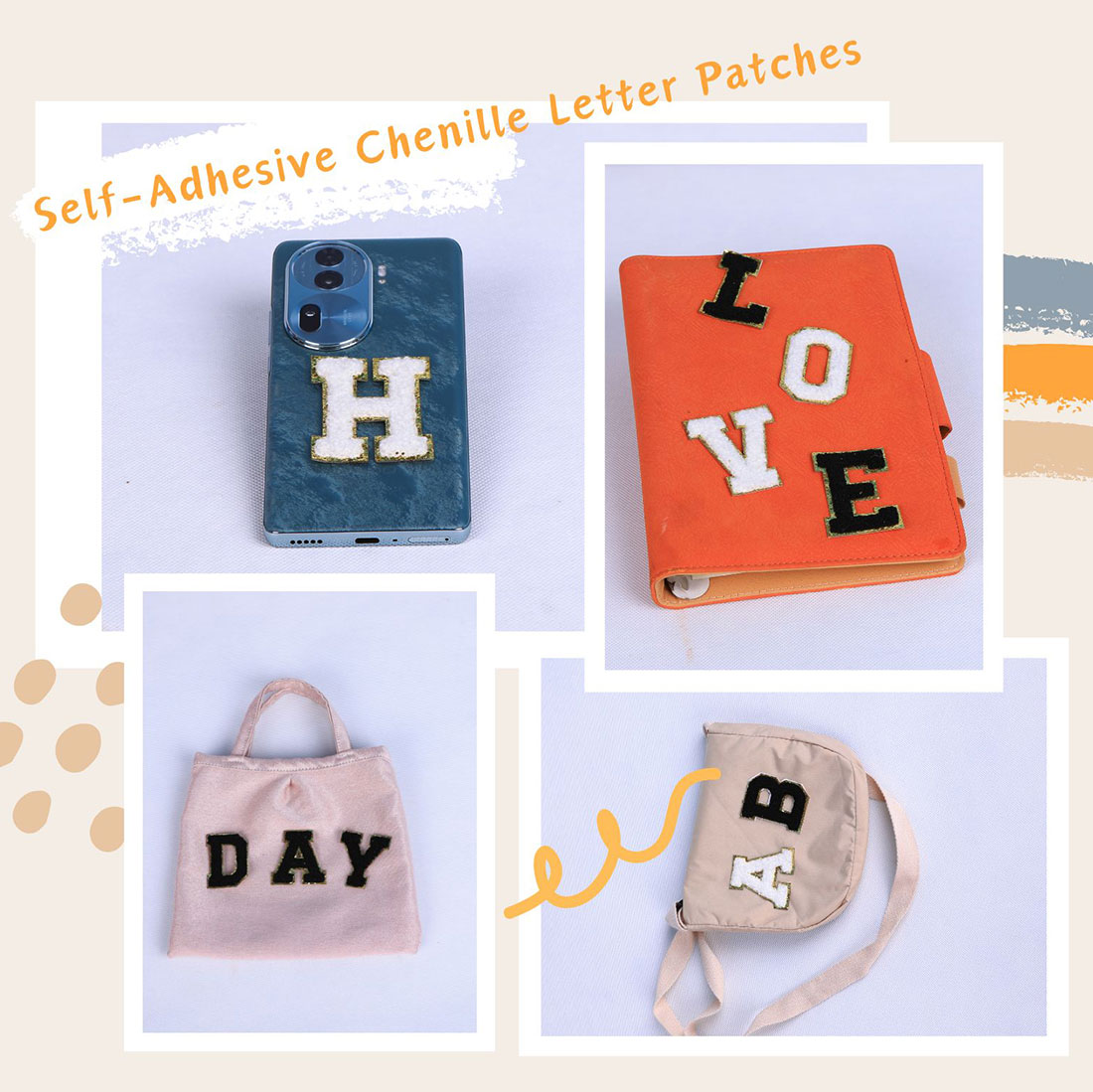
The sampler's spirit — learn by making, and mark what matters — is alive in modern DIY. And if you would rather spell something today than stitch it for a week, a chenille letter patch is the instant alphabet for your jacket.
Spelling made instant
Make your own alphabet with YTONN's 52-piece chenille letter patch set — self-adhesive, iron-on A to Z appliques. See the DIY and craft patch collection.
Conclusion
Samplers remind us that embroidery has always been how people learned and remembered. More in our embroidery journal.