In the villages of Punjab (spanning today's India and Pakistan), a woman's most precious cloth was not bought — it was stitched. Phulkari, literally flower-work, is the embroidery of head-cloths and shawls that carried a family's celebrations, grief, and identity in every stitch.
What Is Phulkari?
Phulkari is worked on the reverse of a coarse handspun cotton (khadi) cloth, in a counted long-and-short darning stitch using brightly colored silk floss called pat. Because it is counted and worked from the back, the embroiderer builds the pattern by feel, creating a dense, almost woven field of color. The base cloth is typically a warm ochre or red, and the silk blazes against it.
The Bagh and the Odhani
An odhani is the head-and-shoulder veil a Phulkari decorates; when the pattern covers the entire cloth with no gaps, it is called a bagh — garden. A bagh is the most prized form, a field of flowers with barely a thread of ground showing. Different motifs and layouts mark different occasions across Punjabi folk life.
Meaning Worn on the Body
Phulkari was central to a woman's life: girls learned it young, and finished cloths were gifted at births and weddings, often forming part of a bride's trousseau. To wear a Phulkari was to wear belonging — to a family, a village, a moment. Today it is recognized as a vital piece of Punjab's cultural heritage.
Stitch Your Own Garden
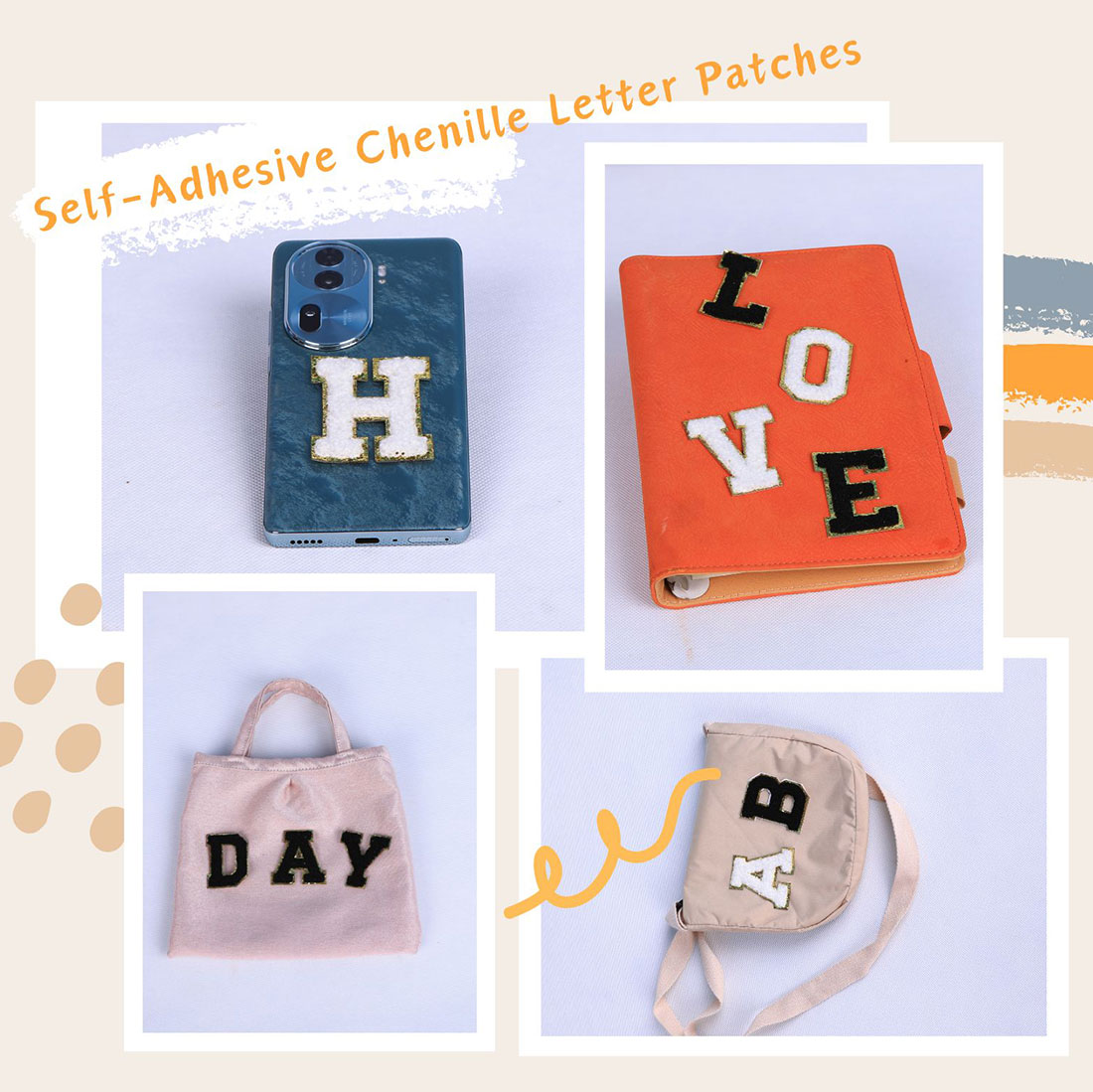
The Phulkari idea — cover cloth with meaning — travels easily. If a full silk-fluss garden is too much for one afternoon, a chenille letter patch lets you mark a bag or jacket with a single bold, personal statement.
Mark your cloth with meaning
Spell a name or a wish with YTONN's 52-piece chenille letter patch set — self-adhesive, iron-on A to Z appliques. See the DIY and craft patch collection.
Conclusion
Phulkari proves that a head-cloth can hold a whole life. Explore more in our embroidery journal.