Embroidery gets most of the glory, but knitting has its own map of living traditions. Before mass manufacturing, a sweater or mitten could reveal exactly where its maker lived — the patterns were regional dialects in wool. Three names lead the story: Fair Isle of Scotland's northern isles, Aran of Ireland's west coast, and Selbu of Norway. Here is how each earned its place in knitwear history.
Knitting as Cultural Map
For island and coastal communities, knitting was both warmth and income. Patterns passed mother to daughter, rarely written down, so they stayed local for generations. A practiced eye could tell a Shetland from an Aran at a glance. These were not just clothes; they were certificates of origin.
Fair Isle — Colorwork of the Northern Isles
Fair Isle knitting comes from a tiny island in Scotland's Shetland archipelago. Its signature is stranded colorwork: two colors per row, worked in small repeating motifs — stars, crosses, anchors, and octagons — usually in muted, naturally dyed wool. Traditionally a single row never carried more than two colors, which keeps the fabric supple. Fair Isle became a 20th-century sensation after the Prince of Wales (later Edward VIII) wore a Fair Isle sweater in 1921, and the jazzy knit has been a preppy staple ever since.
Aran — The Fisherman's Cable
Off Ireland's west coast, the Aran Islands produced the bulky, cream-colored sweater now famous for its cables, bobbles, and moss stitch. Popular lore credits specific stitches with meaning — a cable for a fisherman's rope, a honeycomb for the beekeeper's luck, a diamond for success — though historians note the rich symbolism was partly romanticized in the 20th century as the sweater was commercialized. What is certain is the craft: intricate, all-over texture in unscoured (ermine) wool that sheds water. The Aran remains the archetype of the fisherman knit.
Selbu — Norway's Mitten Tradition
In the village of Selbu, Norway, a single woman — recounted as Marit Emstad in the mid-1800s — popularized the black-and-white stranded mitten with an eight-pointed star that is now a Norwegian icon. Selbu mittens spread across the country as both folk dress and a cottage industry, and the Selbu star is instantly recognizable worldwide. It is proof that one clever pattern can define a place.
Estonia and Beyond
The Nordic knitting story does not stop at three. Estonia's Haapsalu shawls are gossamer lace; the Faroe Islands and Iceland each have distinctive traditions; and across Scandinavia, mittens, socks, and sweaters encode local pride. Together they form one of the world's great vernacular design archives.
Wear the Heritage, Make It Yours
Traditional knitting is about belonging made visible. A chenille patch does the same job on a jacket or bag: it says where you are from, or simply who you are. Decorate your clothes with patches and you join a habit as old as the Aran cable.
Mark your wardrobe with meaning
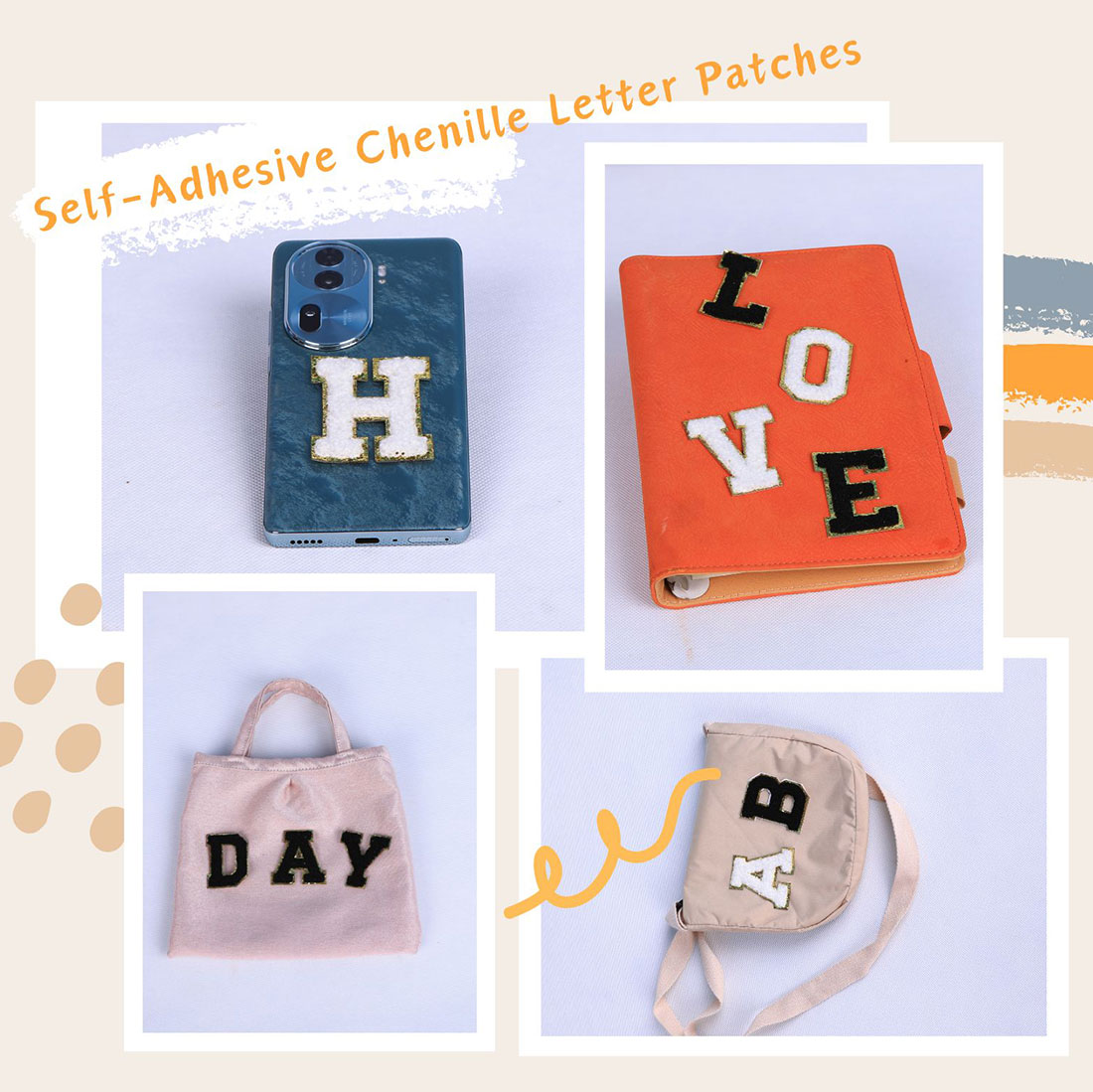
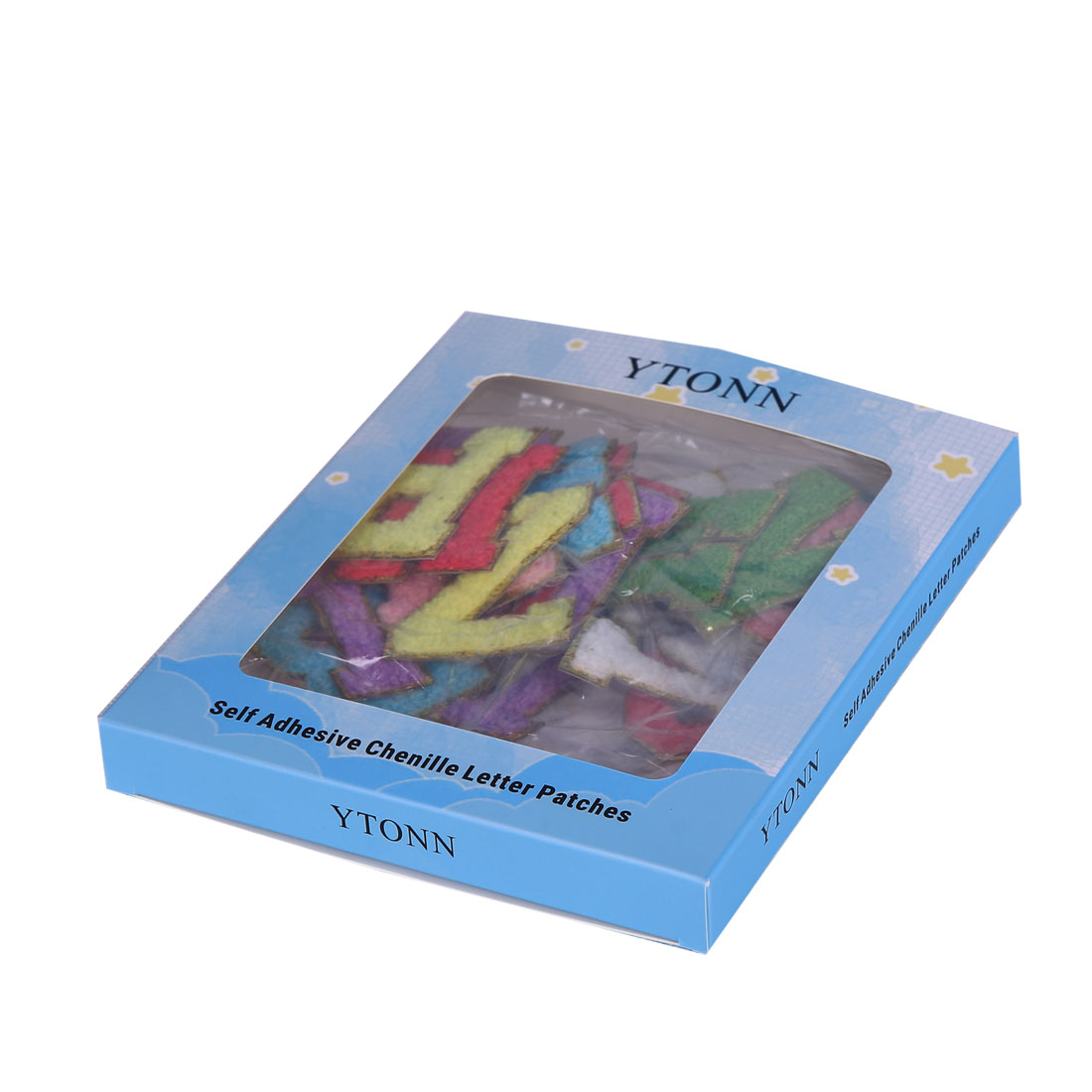
Pair heritage style with YTONN's 52-piece chenille letter patch set — self-adhesive, iron-on A to Z appliques. See the DIY and craft patch collection.
Conclusion
Fair Isle, Aran, and Selbu are proof that even the most everyday garment can carry a homeland. However you mark your wardrobe, you are stitching yourself into that map. More in our embroidery journal.