The Needle at the Edge of Arabia Felix
Yemen — ancient Arabia Felix — sits at the southern tip of the Arabian Peninsula, where the Red Sea meets the Indian Ocean. Its embroidery is a distinct southern Arabian vocabulary: bright, coin-trimmed, and woven into daily and ceremonial dress in a way the better-known Gulf thobes only hint at. It is the southern anchor of the Arab world, a neighbor to the North African Maghreb and the Levantine coast, and a cousin to Egyptian and Persian work.
Cuffs, Veils, and the Coin
Yemeni women's dress is famous for the heavily embroidered cuffs and sleeves (the fouta and the printed/stitched garments), worked in silk and metallic thread and often trimmed with coins and beads that signal wealth and protect against the evil eye. The veil and the headpiece carry similarly dense work. The coin-and-bead logic echoes the Afghan-Pakistani tribal mirrorwork to the northeast.
The Jambiya Belt and Ceremonial Dress
The janbiya (jambiya) dagger — a mark of Yemeni manhood — is worn with an embroidered belt and a decorated sheath; festival and wedding dress for both sexes carries heavy silk embroidery. Cloth here is gendered and ranked, a visible grammar of the tribe and the occasion.
History: Sabaea, Islam, and the Coffee Trade
Yemen's textile culture runs from the Sabaean and Himyarite past through Islamic scholarship and the medieval coffee trade (which made Yemen a global crossroads) to the modern state. Colonial and civil-war disruption damaged the craft; today revival efforts and the diaspora (in Saudi Arabia, the US, and Europe) keep southern Arabian embroidery alive.
How the Needle Traveled (Liu Zhuan)
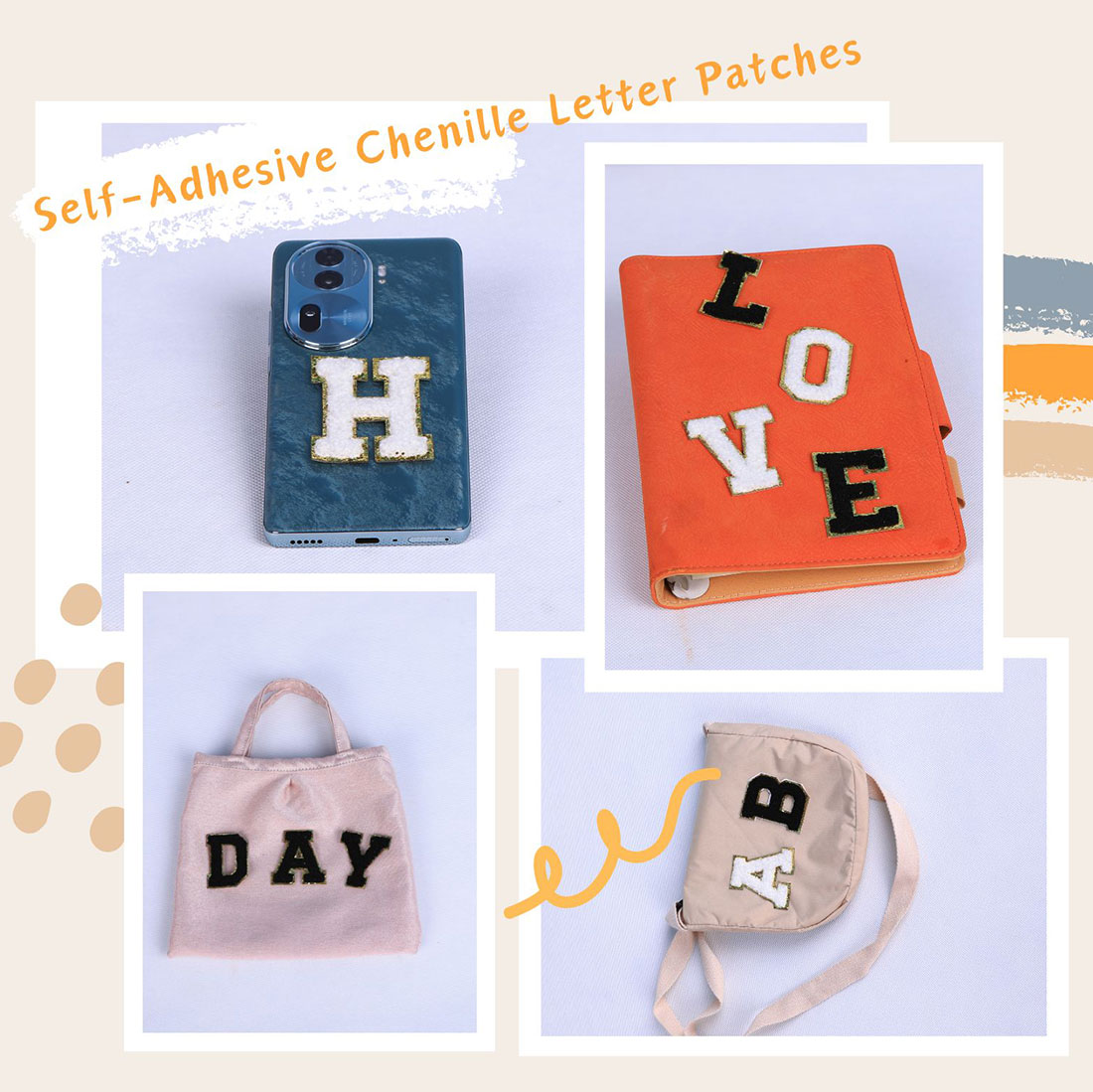
Yemeni motifs traveled with the incense and coffee routes across the Red Sea into the Horn and North Africa, with the Indian Ocean trade into South Asia, and with the diaspora into the Gulf and Europe. Its southern-Arabian vocabulary links to our Levantine, Egyptian, and Persian guides. Keep exploring the World Embroidery Series. Wear your own emblem with chenille letter patches.