A Needle at the Crossroads of Continents
Turkey sits where Europe tips into Asia, and its embroidery holds both. Anatolia's needlework is a layered tradition: a deep Turkish and Islamic base, a courtly inheritance from the Seljuks and Ottomans, and a village culture that turned everyday cloth into art. It is the eastern anchor of the Mediterranean world, a cousin to the Byzantine and Ottoman court tradition and a neighbor to the Levantine and Persian worlds.
Oya: The Lace at the Edge
Oya is Turkey's signature embroidery — a three-dimensional lace worked in silk or cotton, most famously as the scalloped edging on headscarves and underwear (the tülbent and the yemeni). Floral and figurative oya can encode a woman's mood, marital status, or even a message; some say a bride's oya once spoke for her when she could not. It is lace as language, the Mediterranean echo of European whitework but worn at the body's edge.
Havlu Towels and Domestic Splendor
The havlu — the embroidered Turkish towel — carries some of the finest village work: pulled-thread, needlelace, and counted patterns in red, blue, and black on linen. Given as dowry and used in the bath and the guest room, the havlu made beauty a daily ritual. Regional styles (such as İğne oyası and the famous Bursa work) are as local as a dialect.
Yoruk Nomads and the Court
The Yoruk and other nomadic groups carried a portable embroidery — saddle bags, tent bands, and clothing worked in bold geometric and protective motifs, akin to the Mongolian and Kazakh-Kyrgyz nomadic traditions. At the other end, the Ottoman court produced gold-thread (sarma) luxury for the palace, linking directly to our goldwork guide.
History: Seljuk, Ottoman, Republic
Turkish embroidery rose under the Seljuks, reached its courtly peak under the Ottomans (who fused Persian, Byzantine, and Turkic vocabularies), and was folk-preserved through the republic. The 20th century's modernization pushed it toward the souvenir, but a strong revival — led by museums and women's cooperatives — has restored Anatolian needlework as national heritage.
How the Needle Traveled (Liu Zhuan)
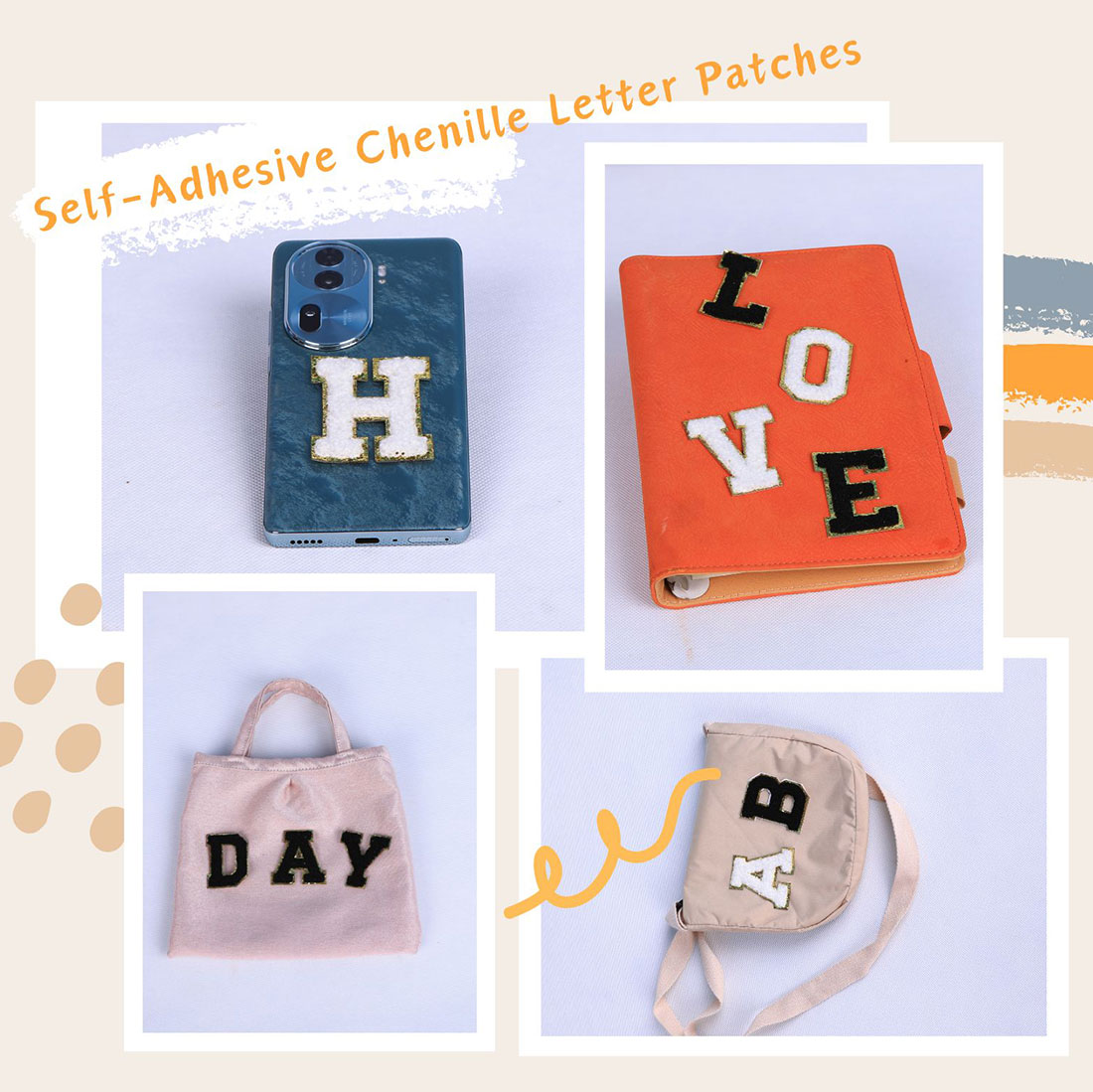
Turkish motifs traveled with the Ottoman Empire across the Balkans and the Byzantine-Ottoman sphere, with the Silk Road into Samarkand, and with the vast Turkish diaspora into Europe and Germany. Its court goldwork connects to our Persian and Levantine guides. Keep exploring the World Embroidery Series. Wear your own emblem with chenille letter patches.